What types of diseases can an electronic endoscope diagnose? Electronic Endoscope
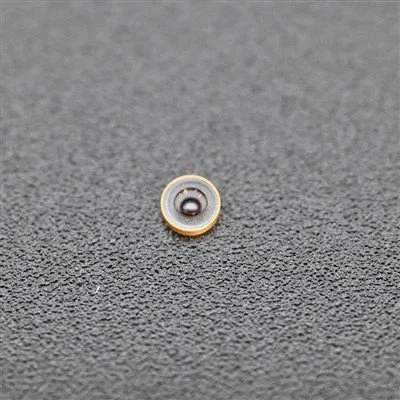
Hey there! I’m a supplier of electronic endoscopes, and I’ve been in this business for quite a while. Electronic endoscopes are truly amazing tools in the medical field, and they can diagnose a whole bunch of diseases. Let me break it down for you.
Digestive System Diseases
One of the most common areas where electronic endoscopes are used is the digestive system. With a gastroscope, we can take a good look inside the esophagus, stomach, and duodenum.
Esophageal Diseases: It can spot problems like esophagitis, which is the inflammation of the esophagus. This can be caused by acid reflux, where the stomach acid goes back up into the esophagus. Over time, this can damage the esophageal lining. The endoscope can also detect early – stage esophageal cancer. In the early stages, esophageal cancer might not show obvious symptoms, but the endoscope can pick up on small abnormalities, like abnormal cell growth or small tumors, which can save a person’s life if detected early.
Stomach Diseases: Gastritis, the inflammation of the stomach lining, is easily diagnosable with an endoscope. It can show redness, swelling, and even erosions on the stomach wall. Peptic ulcers, which are open sores in the stomach or duodenum, can also be clearly seen. These ulcers can be very painful and, if left untreated, can lead to more serious problems like bleeding or perforation. Helicobacter pylori (H. pylori) infection, which is a major cause of ulcers and some stomach cancers, can be suspected by visualizing the changes in the stomach lining and then confirmed with additional tests like biopsies. Early – stage stomach cancer can also be detected. The endoscope can identify small polyps, abnormal lesions, and other signs that might indicate cancerous or pre – cancerous changes.
Colorectal Diseases: A colonoscope, which is another type of electronic endoscope, is used to examine the large intestine and rectum. Colorectal polyps are quite common. These are small, usually benign growths on the inner lining of the colon or rectum. However, some polyps can turn into cancer over time. The endoscope can find these polyps, and they can often be removed during the same procedure. Colorectal cancer, which is one of the leading causes of cancer – related deaths, can be detected early using a colonoscope. It can show tumors, bleeding, or abnormal tissue growth in the colon and rectum.
Respiratory System Diseases
Electronic endoscopes are also used in the respiratory system. A bronchoscope is inserted through the nose or mouth and into the lungs.
Lung Infections: It can help diagnose pneumonia caused by various pathogens such as bacteria, viruses, or fungi. The endoscope can collect samples of the mucus or tissue from the airways to determine the exact cause of the infection. For example, in cases of tuberculosis, the bronchoscope can obtain specimens for testing to confirm the presence of the tuberculosis bacteria.
Lung Cancer: Early – stage lung cancer can be detected using a bronchoscope. It can visualize tumors in the central airways of the lungs. The doctor can also take biopsies of suspicious areas to determine if the cells are cancerous. Additionally, it can help in diagnosing other lung conditions like bronchiectasis, which is the abnormal widening of the airways due to damage from inflammation or infection.
Urinary System Diseases
In the urinary system, a cystoscope is used. It is inserted into the urethra and into the bladder.
Bladder Infections: Cystitis, or bladder infection, is a common problem, especially in women. The cystoscope can show signs of inflammation in the bladder, such as redness, swelling, and sometimes the presence of pus.
Bladder Stones: These are hard masses that form in the bladder. The cystoscope can clearly identify the size, number, and location of the stones.
Bladder Cancer: It can detect bladder cancer at an early stage. Tumors in the bladder can be seen, and biopsies can be taken to confirm the diagnosis. The cystoscope is also useful for monitoring the recurrence of bladder cancer after treatment.
Gynecological Diseases
Hysteroscopes are used in gynecology. They are inserted through the vagina and cervix into the uterus.
Uterine Fibroids: These are non – cancerous growths in the uterus. The hysteroscope can show the size, location, and number of fibroids. This information is crucial for determining the best treatment option, whether it’s observation, medication, or surgery.
Endometrial Polyps: These are small growths on the inner lining of the uterus. The hysteroscope can detect them and can also be used to remove them in some cases.
Uterine Cancer: Early – stage endometrial cancer can be detected using a hysteroscope. It allows the doctor to examine the uterine lining closely and take biopsies if there are any suspicious areas.
Why Our Electronic Endoscopes Are the Best
Our electronic endoscopes come with high – resolution imaging technology. This means that the doctors can see even the tiniest details, which is super important for making accurate diagnoses. The cameras on our endoscopes are top – notch, providing clear and sharp images of the internal organs.
We also focus on patient comfort. The endoscopes are designed to be as flexible and thin as possible, which reduces discomfort during the procedure. We understand that going through an endoscopy can be a bit scary for patients, so we want to make the experience as easy as possible for them.
In addition, our endoscopes are durable and easy to maintain. They are built to last, which saves the medical facilities money in the long run. And the maintenance process is simple, so the medical staff can spend more time on patient care.
Let’s Connect

If you’re running a medical facility, a clinic, or a hospital, and you’re in the market for high – quality electronic endoscopes, we’d love to talk to you. Our products can help your doctors diagnose diseases more accurately and efficiently, which ultimately benefits your patients. Whether you need gastroscopes, colonoscopes, bronchoscopes, cystoscopes, or hysteroscopes, we’ve got you covered. Reach out to us for a consultation, and we can discuss how our electronic endoscopes can meet your specific needs.
Surgical System References
- "Diagnostic and Therapeutic Gastrointestinal Endoscopy" by Richard H. Hawes
- "Textbook of Bronchology and Interventional Pulmonology" by Jean – Francois Dumon
- "Diagnostic and Surgical Gynecologic Endoscopy" by David M. Lavy.
Zhejiang Jiacheng Medical Instrument Co., Ltd.
We’re well-known as one of the leading electronic endoscope manufacturers and suppliers in China, specialized in providing high quality customized service to global clients. Please feel free to buy discount electronic endoscope from our factory. Contact us for more details.
Address: Building 8, Shutai · Fuchun Innovation Park, No. 516, Majia Road, Fengchuan Subdistrict, Tonglu County, Hangzhou, Zhejiang Province, China
E-mail: Ken.huangfu@jiachengmedical.com
WebSite: https://www.jiachengmedical.com/
