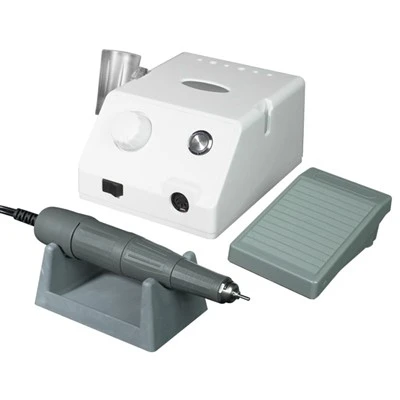
Hey there! I’m a supplier of dental micromotors, and I’ve seen firsthand how crucial it is to test the performance of these nifty little devices. In this blog, I’ll share some insights on how to test the performance of a dental micromotor, so you can make sure you’re getting the best bang for your buck. Dental Micromotor
Understanding Dental Micromotors
First off, let’s quickly go over what a dental micromotor is. It’s a high – speed motor used in dental procedures, like drilling, polishing, and cutting. These motors need to be reliable, powerful, and precise because they’re used in such a delicate environment – inside a patient’s mouth!
Why Testing is Important
Testing the performance of a dental micromotor helps in several ways. For one, it ensures patient safety. A poorly performing motor could lead to uneven drilling or other incorrect procedures, which can harm the patient. It also affects the efficiency of dental treatments. A high – performance micromotor can get the job done faster and with better results. And from a business perspective, as a supplier, I want to provide products that meet the highest standards so that dentists and dental clinics keep coming back for more.
Testing the Speed
One of the most important aspects of a dental micromotor is its speed. Most dental micromotors can operate at different speeds, depending on the procedure. To test the speed, you’ll need a tachometer. It’s a simple device that measures the rotational speed of the motor.
First, make sure the micromotor is properly assembled and connected. Turn it on at its lowest speed setting. Place the tachometer near the rotating part of the motor. The tachometer should show a reading that corresponds to the speed setting specified in the motor’s manual. Do this for each speed setting available on the micromotor. If the readings are significantly different from what’s stated in the manual, there might be an issue with the motor’s speed control mechanism.
Power Output Testing
Power is another key factor. A dental micromotor needs to have enough power to handle different types of dental materials, from soft enamel to harder dentin.
To test the power output, we can use a dynamometer. Connect the micromotor to the dynamometer using the appropriate adapter. Start the motor and gradually increase the load on the dynamometer. The dynamometer will measure the torque and power output of the motor at different loads.
You’re looking for a motor that can maintain a consistent power output even under increasing loads. If the power drops off too quickly or fluctuates wildly, the micromotor may not be suitable for more demanding dental procedures.
Noise and Vibration Testing
Nobody wants a noisy and shaky dental micromotor. Excessive noise can be distressing for patients, and high levels of vibration can make it difficult for the dentist to perform precise procedures.
To test for noise, you can use a sound level meter. Place the meter about 30 centimeters away from the operating micromotor. Measure the noise level at different speed settings. A good – quality micromotor should produce noise levels below a certain threshold, usually around 60 – 70 decibels.
For vibration testing, you’ll need a vibration sensor. Attach the sensor to the body of the micromotor. Run the motor at different speeds and record the vibration levels. Low – vibration motors are much more comfortable to use and allow for better control during dental work.
Heat Generation Testing
Dental micromotors generate heat during operation. Too much heat can damage the motor itself and also be uncomfortable for the patient.
To test heat generation, use a thermal camera or an infrared thermometer. Start the motor and let it run for a set period, say 10 – 15 minutes at a medium – high speed. Then, use the thermal camera or thermometer to measure the temperature of different parts of the motor.
The motor should not get too hot to touch. If the temperature exceeds the recommended limits specified by the manufacturer, it could indicate a problem with the motor’s cooling system or other internal components.
Testing the Control Systems
Dental micromotors often come with sophisticated control systems. These can include foot pedals for speed control, forward – reverse mechanisms, and turbo – boost functions.
Test the foot pedal by connecting it to the micromotor and powering on the device. As you press the pedal, the motor should start and its speed should increase smoothly. Release the pedal, and the motor should stop immediately. For the forward – reverse switch, flip it to the forward position and then the reverse position. The motor should change its direction of rotation without any hesitation.
The turbo – boost function, if available, should provide a significant increase in power when activated. Test this by running the motor at a normal speed and then engaging the turbo – boost. You should notice a notable difference in performance.
Durability Testing
A dental micromotor is an investment, so it needs to be durable. One way to test durability is through a simulated usage test.
Set up a test rig that mimics the normal usage of the micromotor in a dental clinic. Run the motor continuously for a long period, say 50 – 100 hours, with intermittent breaks to simulate real – world usage. Check the motor regularly for any signs of wear and tear, such as loose parts, unusual noises, or a decrease in performance.
If the motor can withstand this extended period of use without any major issues, it’s likely to be a durable product.
Compatibility Testing
In a dental clinic, the micromotor needs to be compatible with different types of handpieces and accessories.
Test the compatibility by trying out different handpieces with the micromotor. Make sure they fit properly and that the motor can operate the handpieces smoothly. Check for any issues like poor connection, difficulty in attaching or detaching the handpiece, or inconsistent performance when using different handpieces.
Conclusion
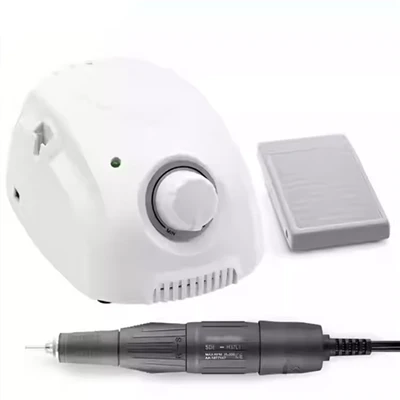
Testing the performance of a dental micromotor is a comprehensive process that involves checking multiple aspects, from speed and power to noise and durability. As a supplier, I always make sure that our dental micromotors go through rigorous testing before they reach our customers.
Nail Dust Collector If you’re in the market for a high – quality dental micromotor, I’d love to have a chat with you. We’ve got a great range of products that have been tested to the highest standards. Whether you’re a small dental clinic or a large dental hospital, we can find the right micromotor for your needs. Reach out to us to start a conversation about your dental micromotor requirements.
References
- Dental Equipment Handbook: A Guide to Selection and Use
- Journal of Dental Research: Articles on Dental Micromotor Performance
- Manufacturer’s Manuals of Leading Dental Micromotor Brands
Yongkang Zorin Industry Technology Co., Ltd.
Yongkang Zorin Industry Technology Co., Ltd. is one of the most professional dental micromotor manufacturers and suppliers in China, also supports customized service. Please feel free to buy bulk premium dental micromotor in stock here and get quotation from our factory. For price consultation, contact us.
Address: No. 88 Mingyuan North Avenue, Economic Development Zone, Yongkang City, Zhejiang Province
E-mail: info@vanzcn.com
WebSite: https://www.zorindrill.com/
