Peptide agents have emerged as a significant class of compounds in various fields, including pharmaceuticals, cosmetics, and research. As a leading supplier of peptide agents, I have witnessed firsthand the growing demand for these versatile molecules. However, it is crucial to acknowledge that, like any chemical substances, peptide agents carry certain potential risks. In this blog post, I will delve into the various risks associated with peptide agents to provide a comprehensive understanding for our customers and partners. Peptide Agents
1. Biological and Physiological Risks
1.1 Immunogenicity
One of the primary concerns when using peptide agents is their potential to trigger an immune response. Peptides can be recognized as foreign substances by the immune system, leading to the production of antibodies. This immunogenicity can vary depending on the peptide’s sequence, length, and structure. For example, peptides with unique sequences or those derived from non – human sources are more likely to be immunogenic.
In pharmaceutical applications, immunogenicity can have serious consequences. If a peptide – based drug elicits an immune response, it may lead to reduced efficacy as the antibodies can neutralize the peptide. Moreover, immune reactions can cause adverse effects such as allergic reactions, inflammation, and in severe cases, anaphylaxis. In cosmetic products, an immunogenic peptide could cause skin rashes, itching, or other allergic symptoms in sensitive individuals.
1.2 Off – target Effects
Peptide agents often interact with specific receptors or proteins in the body to exert their intended effects. However, there is a risk of off – target interactions. Peptides may bind to other receptors or proteins with similar binding sites, leading to unintended biological responses.
In drug development, off – target effects can be a major hurdle. For instance, a peptide designed to target a specific cancer – related receptor may also interact with other receptors in normal tissues, causing side effects such as organ toxicity, hormonal imbalances, or disruptions in normal physiological processes. These off – target effects can limit the therapeutic window of the peptide agent and may require extensive pre – clinical and clinical testing to identify and mitigate.
1.3 Toxicity
Although peptides are generally considered to be relatively safe compared to some small – molecule drugs, certain peptides can exhibit toxicity. Toxicity can occur at different levels, including cellular, organ, and systemic toxicity.
Some peptides may interfere with normal cellular functions, such as disrupting cell membrane integrity, inhibiting essential enzymes, or inducing oxidative stress. At the organ level, peptide agents may cause damage to specific organs, such as the liver or kidneys, if they accumulate in these tissues. Systemic toxicity can manifest as symptoms such as nausea, vomiting, diarrhea, or even more severe conditions like cardiovascular problems or neurological disorders.
2. Manufacturing and Quality – related Risks
2.1 Contamination
During the manufacturing process of peptide agents, there is a risk of contamination. Contaminants can include bacteria, fungi, endotoxins, and chemical impurities. Bacterial or fungal contamination can pose a significant health risk, especially if the peptide is intended for injectable or implantable applications.
Endotoxins, which are components of the cell walls of Gram – negative bacteria, can cause fever, inflammation, and other adverse reactions in the body. Chemical impurities, such as residual solvents or by – products from the synthesis process, can also have toxic effects. Ensuring strict quality control measures during manufacturing, including proper sterilization, purification, and testing, is essential to minimize the risk of contamination.
2.2 Batch – to – Batch Variability
Batch – to – batch variability is another important consideration in peptide manufacturing. Differences in the synthesis conditions, reagents, and purification processes can lead to variations in the properties of the peptide agents from one batch to another.
These variations can affect the peptide’s potency, stability, and solubility. For example, a peptide with inconsistent potency may not produce the desired therapeutic effect, while differences in solubility can lead to problems in formulation and administration. To address this issue, manufacturers need to establish robust manufacturing processes and quality control systems to ensure the consistency of peptide products across batches.
2.3 Incorrect Synthesis
Peptide synthesis is a complex chemical process that requires precise control. Errors in the synthesis, such as incorrect amino acid coupling, can result in peptides with the wrong sequence or structure. An incorrectly synthesized peptide may have no biological activity or may exhibit unexpected and potentially harmful effects.
Continuous training of personnel, strict adherence to standard operating procedures, and extensive quality control at each step of the synthesis process are necessary to prevent incorrect synthesis and ensure the production of high – quality peptide agents.
3. Regulatory and Legal Risks
3.1 Regulatory Compliance
The use of peptide agents is subject to various regulatory requirements, which can vary depending on the application and the jurisdiction. In the pharmaceutical industry, peptide drugs must undergo rigorous pre – clinical and clinical trials and obtain approval from regulatory agencies such as the Food and Drug Administration (FDA) in the United States or the European Medicines Agency (EMA) in Europe.
Failure to comply with regulatory requirements can result in significant consequences, including delays in product development, fines, and even the suspension of marketing authorizations. In the case of peptide agents used in cosmetics or research, there are also specific regulations regarding labeling, safety assessment, and quality control that need to be followed.
3.2 Intellectual Property Issues
Peptide agents may be subject to intellectual property rights, such as patents. As a supplier, it is important to ensure that the peptides we supply do not infringe on the intellectual property rights of others.
Intellectual property disputes can lead to legal battles, which can be costly and time – consuming. Moreover, if a peptide is found to be an infringing product, it may need to be removed from the market, causing financial losses for both the supplier and the customers.
4. Storage and Handling Risks
4.1 Stability
Peptides can be unstable under certain conditions. Factors such as temperature, humidity, light, and pH can affect the stability of peptide agents. For example, some peptides may degrade over time when exposed to high temperatures or humidity, leading to a loss of activity.
Proper storage conditions, such as storing peptides at low temperatures in a dry environment, are essential to maintain their stability. Additionally, the use of appropriate packaging materials, such as sealed vials or ampoules, can help protect peptides from environmental factors.
4.2 Handling Hazards
Peptide agents should be handled with care as they can pose certain hazards. Some peptides may be irritants to the skin, eyes, or respiratory system. Inhalation or direct contact with peptides can cause adverse effects, especially if the peptide is highly concentrated or toxic.
Personnel involved in the handling of peptide agents should be trained on proper handling procedures, including the use of personal protective equipment (PPE) such as gloves, goggles, and masks. Adequate ventilation should also be provided in the handling area to minimize the risk of inhalation.
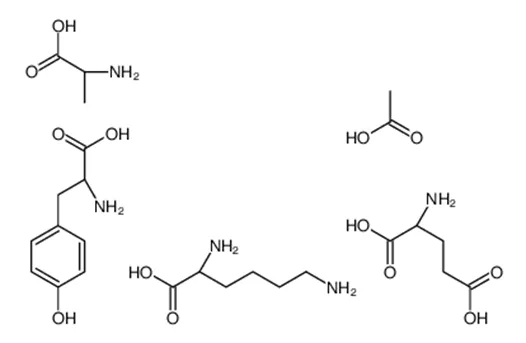
Despite the potential risks associated with peptide agents, the benefits they offer in various fields are undeniable. At [Company], we are committed to providing high – quality peptide agents while minimizing these risks. We implement strict quality control measures throughout the manufacturing process, from raw material sourcing to final product testing, to ensure the purity, potency, and safety of our peptides.
Cardiovascular Agents If you are interested in exploring the potential of peptide agents for your projects, whether it is for pharmaceutical research, cosmetic development, or other applications, we invite you to reach out to us. Our team of experts is ready to assist you in selecting the most suitable peptide agents and providing comprehensive technical support. Contact us to start a conversation about your peptide agent needs.
References
- Goodman & Gilman’s The Pharmacological Basis of Therapeutics, 13th Edition.
- Peptide Chemistry: A Practical Textbook, by Miklos Bodanszky.
- Handbook of Therapeutic Peptides, ed. by John M. Walker.
HK Neopharm Limited
HK Neopharm Limited is one of the most professional peptide agents manufacturers and suppliers in China, also supports customized service. Welcome to buy high quality peptide agents in stock here and get quotation from our factory. For price consultation, contact us.
Address: Room W Unit 6086/f Metro Loft 38kwai Hei St Kwai Chung, Hong Kong
E-mail: sales@hkneopharm.com
WebSite: https://www.hkneopharm.com/
