Hey everyone, and welcome to my little corner of the world where I talk all things extension springs—you know, the ones that hold your screen door closed, tension your garage door mechanism, or even help a trampoline bounce just right. I’m the guy who’s been supplying these bad boys for over a decade, so when a customer last week asked me, “Wait, what actually makes these springs hum or click when they stretch?” I had to pause. Yeah, I know their mechanics like the back of my hand, but when it comes to their acoustic properties in operation? That’s a deep dive most folks (and even some spring nerds) don’t really think about. Let’s break this down, no fancy jargon, just real talk from someone who ships extension springs out every single day. Extension Springs
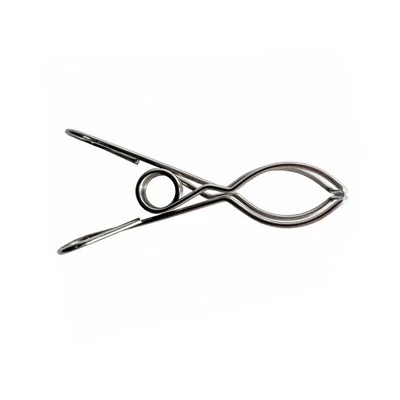
First off, let’s get one thing straight: extension springs aren’t like guitar strings, but they do make sound when they’re working. If you’ve ever stood near a garage door when it’s going up, that faint, steady buzz? That’s your extension springs doing their thing. Most people chalk it up to “springs being springs,” but there’s a whole science to why they sound the way they do, and it directly ties to how they’re built, how much they’re stretched, and even the environment they’re in. As a supplier, I’ve seen first-hand how overlooking these acoustic factors doesn’t just lead to annoying noise—it can even mean a spring that wears out faster.
Let’s start with the basics of how extension springs operate acoustically. Every extension spring is made of a length of wire coiled into tight turns, right? Those turns are usually close together (hence why they “extend” when you pull them) and often have little hooks on each end to connect to whatever they’re working with. When you apply force to stretch them, two big things happen that create sound: the wire starts vibrating, and those tight coils start shifting against each other. Wait, but why don’t all extension springs make the same noise? That’s where the details matter. For example, a spring with a thicker wire will vibrate at a lower frequency—like a bass note—while a thinner wire will hum higher, more like a violin string. I remember a customer a few years back who bought 50 heavy-duty extension springs for a construction hoist, and they kept complaining about a deep thrum that drove their crew crazy. We swapped out the wire diameter just a tiny bit, and suddenly the noise was gone. That’s the kind of real-world stuff I don’t see in textbooks.
Now, let’s talk about the coil count and how that impacts sound. Extension springs with fewer coils—think of the short, thick ones for a trampoline—tend to vibrate more when they stretch because they’re stiffer. More coils mean more surface area for friction between coils, which actually dampens vibration a little. Wait, but dampened doesn’t mean silent. I’ve noticed that when a spring is stretched to its maximum working length (we call that the “extended length rating”), the friction between those coils ramps up. If there’s no lubrication on the coils, that friction gets scratchy—like a old door hinge. Oh, right! Lubrication is a big one here. Most quality extension springs leave the factory with a light coating of oil or dry lube to prevent rust, but if that lube wears off from repeated stretching, you start hearing that annoying squeak. Last month, a mom reached out to me saying her kid’s trampoline was making loud squeaks every time they bounced. We sent her a tiny tube of dry PTFE lube for free, and she texted me a video 24 hours later saying it was completely quiet. That’s the kind of small win that makes this job worth it, and it all ties back to acoustics.
Another factor? Tension. Wait, I don’t mean the physical tension of the spring (though that’s related)—I mean how you install and adjust the spring. If an extension spring is installed with too much initial tension, right out of the gate when it’s not stretched, it’s already under stress. That makes the wire vibrate more easily at lower forces, so the sound starts sooner and is louder. I’ve seen this a lot with garage door springs: if a door is off-balance, the extension springs have to work harder every time you open it, leading to higher vibration and longer wear. Last year, I worked with a garage door installer who told me that 70% of the noise complaints they get are from misbalanced doors, not bad springs. That’s a key point—acoustics aren’t just about the spring itself, but how it’s used.
Now, let’s get into the less obvious stuff: end hook design. Most extension springs have standard twisted hooks, but some have machine loops or even welded hooks. I’ve found that welded hooks create less sound than twisted ones because they’re stiffer and don’t flex as much when the spring stretches. Twisted hooks can wiggle a little bit, which adds a tiny amount of extra vibration that turns into a faint rattle. I once had a customer who was using extension springs on a conveyor belt, and the rattling was messing with the equipment’s sensors. We swapped their twisted hooks for machine loops, and the sensor readings stabilized—no more rattle. That’s a perfect example of how acoustic properties impact more than just noise pollution; they impact function.
Wait, what about when a spring starts to fail? I’ve been in this game long enough to recognize the warning sounds. A healthy extension spring makes a consistent, low hum when it’s stretching or contracting. When it’s starting to wear out—from repeated use, corrosion, or overstretching—that hum gets higher, or it might develop a sharp, irregular click. That click is usually a coil that’s stretched permanently (called “set”) and is now hitting the adjacent coil when the spring moves. I tell every customer: if your spring starts making a new sound, don’t ignore it. That’s the spring’s way of telling you it’s about to break. I’ve had customers who waited too long to replace a clicking spring, and it snapped mid-operation, causing damage to whatever it was connected to. So acoustics aren’t just a annoyance—they’re a diagnostic tool.
Let’s talk about environment, too. If you’re using extension springs outdoors, they’re exposed to rain, snow, dust, and dirt. Dirt gets into the coils, acting like sandpaper, so every time the spring stretches, you get that scratchy sound. Salt air, like near the ocean, can corrode the wire, making it stiffer and more prone to high-frequency humming. I have a regular customer who supplies dock equipment in Florida, and they order stainless steel extension springs specifically because the salt air makes carbon steel springs way too noisy and prone to wear. Stainless steel doesn’t corrode as easily, so the coils slide smoothly, less friction, less noise. It’s not just about strength—acoustics are a big part of material choice, too.
Now, let’s bust a myth I hear all the time: people think heavier-duty springs are always louder. Nope. It depends on how they’re engineered. A heavy-duty spring with well-spaced coils, proper lubrication, and the right wire diameter can be quieter than a flimsy small spring that’s poorly made. A few years back, a company that makes yoga equipment ordered a bunch of extension springs for their resistance bands, and they were using cheap, thin springs that made a high-pitched hum when stretched. We worked with their engineering team to spec a thicker wire, more coils, and a dry lube coating, and the hum was gone—customers left reviews saying the bands were “silky smooth” to use. That’s the kind of collaboration I love, and it’s all because we paid attention to how sound works with these springs.
As a supplier, I don’t just sell springs— I help customers solve problems. I get calls every week from people who are dealing with spring noise, and more often than not, it’s not the spring being “bad,” it’s something simple: wrong tension, worn lube, or a tiny design tweak. If you’re dealing with a noisy spring, don’t just replace it with the same thing—reach out, and we can talk through what’s going on. Maybe you just need a light lube, maybe you need a slightly different wire diameter, maybe you need to adjust how it’s installed.
Look, extension springs are everywhere, and their acoustic properties aren’t something most people notice until they’re annoyed by them. But understanding that sound comes from vibration and friction between coils, that design, installation, material, and environment all play a role, and that noise can even be a sign of wear—That’s why I do this. I don’t just ship metal coils; I make sure they work the way they’re supposed to, quietly and reliably.

If you’re looking for extension springs, whether for a garage door, trampoline, construction project, or whatever you’re working on, and you want to make sure they don’t drive you crazy with noise, reach out. I’m always happy to chat through what you need, help you spec the right spring, and even share tips to keep it quiet and long-lasting. No pushy sales talk, just real advice from someone who’s been in the game for years, knows these springs inside and out, and cares about getting it right.
Extension Springs References
- Harris, C. M. (2008). Shock and Vibration Handbook (6th ed.). McGraw-Hill.
- Tatro, C. A. (2007). Machine Design: An Integrated Approach (3rd ed.). Pearson Prentice Hall.
- Society of Automotive Engineers. (2010). Spring Design and Application Guidelines for Automotive Applications. SAE International.
- American National Standards Institute. (2015). ANSI B18.2.2: Extension Spring General Specifications. ANSI.
Wenzhou Huajie Precision Spring Co., Ltd.
As one of the most professional extension springs manufacturers and suppliers in China, our products have good reputation in the market. Please rest assured to wholesale bulk extension springs in stock here and get pricelist from our factory. We also accept customized orders.
Address: No.6 Chuangsan Road, Lingang Industrial Zone, Yueqing, Wenzhou City, Zhejiang Province, China.
E-mail: ZGhuajieTH@163.com
WebSite: https://www.huajiespring.com/
