Hey everyone, it’s Jake from the motor team—you know, the guy you’ve been chatting with whenever someone has questions about that trusty 2807 Motor we’ve been supplying for the last few years. Lately, I’ve been getting a ton of DMs and calls from folks asking the same thing: “Jake, what do I do with my old 2807 Motor when it’s reached the end of its life?” First off, I get it—you pour time and money into keeping these machines running, so when one’s finally done, tossing it in a bin feels like wasting more than metal and wires. Plus, lately, everyone’s been on my case about being more eco-friendly, and I don’t blame you—we’re all trying to do our part, right? So today, I’m breaking down exactly how to recycle a 2807 Motor the right way, no fancy jargon, just real steps I’ve helped clients with over and over. Let’s dive in. 2807 Motor
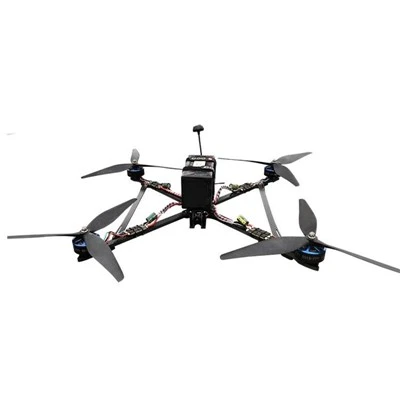
First, let’s talk about what the 2807 Motor even has inside it, because you can’t recycle something if you don’t know its parts. This motor’s a workhorse—we designed it for everything from warehouse conveyor belts to small agricultural equipment, so it’s built tough. Open one up (safely, obviously) and you’ll find copper windings, aluminum housings, steel shafts, some plastic components, and a little bit of oil or grease if it’s a larger model. No weird, hard-to-dispose-of stuff, which is good, but each part needs its own recycling plan. I’ve seen people try to dump the whole motor in a scrap metal bin, and while that’s way better than the trash, you’re leaving money on the table and missing out on getting those valuable metals back properly.
Wait, before we get to recycling, let’s cover the most important first step: make sure the motor is actually at the end of its life. It’s easy to write it off after a few small issues, but the 2807 is built to last—most clients get 10+ years out of one. If it’s just not starting, the first thing to check is the power supply, brushes, or capacitors. 9 times out of 10, a quick fix will have it running again, and you can avoid the whole headache of recycling. We even keep a free troubleshooting guide on our site (shameless plug, but it works) that walks you through common issues. Only when it’s damaged beyond repair—like a cracked shaft, burnt windings, or a housing that’s split so bad it can’t be sealed—should you start thinking about recycling. Got that? Don’t junk a perfectly good motor.
Okay, so it’s officially done. Now what? Here’s the thing: the worst mistake people make is hauling it to a random scrap yard. A lot of small scrap yards will just lump the whole motor in with general steel, which means they’re stripping the copper windings themselves, cutting corners, and sometimes even sending hazardous materials (like that old oil) to places they shouldn’t. As your supplier, I’ve partnered with a few certified recyclers that specialize in electric motors, and I can tell you—going the certified route is worth it, both for the planet and for you, because a lot of these places give you a fair price for the metals you’re recycling.
Let’s walk through the process step by step, so you know exactly what to expect. First, prep the motor for pick-up or drop-off. You don’t need to do anything fancy, but a few quick things will make the recycler’s job way easier, and they’ll appreciate it. First, drain any remaining oil or grease—most motors have a small plug on the bottom, just unscrew it over a container and let it drain for a few hours. Don’t pour that down a drain or on the ground; seal it in a small container and give it to the recycler too—they can process that oil for reuse. Next, wipe off any excess dirt or grime from the outside—no need to pressure wash it, just a rag and some soap works. If you have the original packaging, that’s great, but if not, just wrap it in a old tarp or cardboard so the metal parts don’t scratch anything during transport.
Next, choose where to send it. Like I said, certified electric motor recyclers are the way to go, and as your 2807 supplier, I can connect you to ones that work with our clients all the time. But if you’re searching on your own, look for places that have e-Steward certification or are listed with your state’s environmental agency—those are the ones that follow proper environmental rules, no cutting corners. Avoid places that only take general scrap metal, especially if they don’t have experience with electric motors. Why? Because electric motors have that copper winding inside, which is worth more than steel, and a good recycler will separate those parts to get the maximum value, which means they pay you more. Plus, they’ll dispose of any leftover chemicals or plastics properly, so you don’t have to worry about fines from your local environmental department.
Once you’ve dropped it off or arranged for pick-up, here’s what happens behind the scenes, so you can feel good about it. The recycler will first sort the motor by type—yours is a standard induction motor, so that’s an easy sort. Then, they’ll take it apart: first, the housing, which is usually aluminum or steel, that gets melted down and reused for new metal parts. The steel shaft is cleaned and recycled as structural steel. The copper windings? Those are pulled out (or sometimes melted down in a furnace) and turned into new copper wire or other copper products. Even the small plastic parts, like the end caps, get sorted and melted into new plastic materials. The little bit of oil we talked about earlier? It’s filtered and reused as lubricant or fuel, not dumped. This is called “closed-loop recycling,” and it means almost 90% of the 2807 Motor’s materials can be reused for new products. That’s a way higher rate than just tossing it in a general scrap bin—think of it as giving your motor a second life, instead of it sitting in a landfill for hundreds of years.
Now, what if you want to make a little money on the deal? A lot of people don’t realize that the metal in their old motor has value. Copper and aluminum are commodities, so good recyclers will pay you by the pound for the separated metals. The copper is the most valuable part—just a single 2807 Motor has about 3-5 pounds of copper windings, so that’s extra cash in your pocket. Some recyclers even offer free pick-up for bulk loads, so if you have multiple old motors, that’s a no-brainer. I’ve had clients tell me they got $20-$50 for a single 2807 Motor, which is more than enough to buy that coffee you’ve been craving all week. It’s not a fortune, but it’s extra cash for doing something good for the planet.
Wait a second—what if you don’t want to deal with taking it apart or finding a recycler? That’s totally fine, too. As your supplier, we’ve started a motor take-back program for our regular clients. You can contact our team, schedule a pick-up, and we’ll haul the old 2807 Motor away, process it through our certified partners, and make sure it’s recycled properly. We even send you a certificate of recycling for your records, so you can prove you’re doing your part if your company has sustainability goals. We launched this program last year, and already, over 100 of our clients have used it—way easier than hauling it to a scrap yard, right? No extra work on your end, just good for you and good for the planet.
I also want to touch on a common myth I hear all the time: “Recycling a motor is too expensive, it’s not worth it.” Let’s bust that. Most certified motor recyclers don’t charge you to drop off or pick up the motor—they make their money from selling the metals, not charging you. The only time you might have a cost is if it’s a huge, industrial motor, but the 2807 is a mid-sized motor, so the take-back is either free or they pay you for the metal. I’ve never had a client pay out of pocket to recycle a 2807 Motor. That’s not the case with general landfills, either—some cities charge a fee for large metal items, so recycling is actually cheaper than dumping it in some places.
Another thing: what about if you want to repurpose the motor instead of recycling it? I totally get it—these things are tough, and maybe you have a DIY project around the shop. A lot of our clients turn old 2807 Motors into things like bench grinders, garden tillers, or even parts for custom furniture. Just make sure you’re careful if you’re taking it apart—those windings are sharp, and the motor can hold a charge even if it’s not plugged in, so disconnect all wires and discharge any capacitors before you start messing with it. But if you’ve got a project, repurposing is another great option, and that’s way better than tossing it.
Let me wrap this up with a quick recap, so you don’t forget anything. First: don’t write off a good motor as dead—test it, fix it, keep it running. Second: when it’s actually at end of life, skip the random scrap yard, go with a certified electric motor recycler. Third: prep the motor by draining oil, cleaning it up, so the recycler can process it fast. Fourth: if you don’t want to hassle, hit us up—we’ll take it off your hands, no work on your end. And fifth: enjoy the fact that you’re not tossing metal in a landfill, and maybe even making a little extra cash while you’re at it.
Look, I’ve been in the motor game for 12 years, and sustainability isn’t just a buzzword to me—our kids are going to be the ones dealing with the waste we create now, and small steps add up. Every 2807 Motor we recycle instead of dumping saves about 15 pounds of metal from going to a landfill. Multiply that by the thousands of motors we’ve sold, and that’s a huge difference. As your supplier, we’re not just here to sell you motors—we’re here to help you take care of them when they’re done, too.
If you’ve got an old 2807 Motor hanging around, or questions about the process, just reach out to our team. We can connect you to local recyclers, walk you through the take-back program, or answer any other questions you have. We’re always happy to help—no sales pitch, just real advice from someone who’s been in this with you for years. Let’s keep these motors working, keep the planet a little cleaner, and maybe even save a few bucks along the way. That’s the win-win we all want, right?

Wait, one last thing: if you’re not sure whether your motor is a 2807, double-check the label on the side—there’s a model number right there, so you don’t accidentally recycle the wrong motor. Easy peasy.
7 Inch FPV Drone References:
- Institute of Scrap Recycling Industries (ISRI). (2022). Standard Guidelines for Electric Motor Recycling.
- U.S. Environmental Protection Agency (EPA). (2021). Sustainable Management of Used Electric Motors.
- National Electrical Manufacturers Association (NEMA). (2020). End-of-Life Practices for Induction Motors.
- e-Stewards Initiative. (2023). Certified E-Waste and Metal Recycling Standards.
Xpert Intelligent Equipment Co., Ltd.
Xpert Intelligent Equipment Co., Ltd. is one of the most experienced 2807 motor manufacturers and suppliers in China, also supports customized service. Please feel free to wholesale bulk discount 2807 motor in stock here from our factory. Quality products and reasonable price are available.
Address: Building 3, No. 65 Longhu Road, Longdong Community, Baolong Street, Longgang District, Shenzhen
E-mail: winnie@xpfpv.com
WebSite: https://www.xpfpv.com/
