If you run a commercial dive operation, a fire department’s technical rescue team, or a industrial plant that relies on high pressure breathing air (HPBA) compressors for worker safety, you know how critical it is to keep these machines running right. A faulty HPBA compressor doesn’t just lead to downtime—it can put lives at risk. Last month, I got a call from a dive center owner out of Florida; his compressor had started spitting out moisture and giving inconsistent pressure readings mid-season, and he’d already wasted two weeks messing with it himself, only making it worse. He asked the exact question that’s been popping up nonstop lately: “Where do I find a professional who knows their stuff when it comes to repairing these things, not just a random mechanic who works on car engines?” High Pressure Breathing Air Compressor
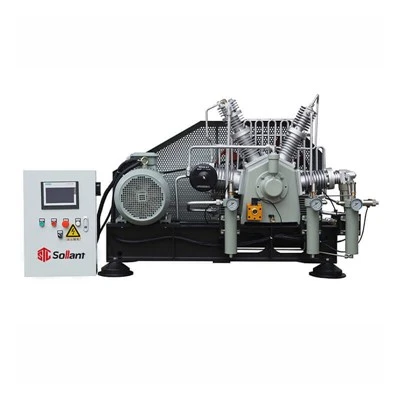
I get it. When your gear is this specialized, it’s not like fixing a fridge. HPBA compressors are built to push air to 3,000, 4,500, even 6,000 PSI. They have precision filters, moisture separators, and breathing air-specific purity standards that regular compressors don’t even come close to. I’m a HPBA compressor supplier myself, so I deal with this every day. I don’t just sell the units—I help clients keep them operational, because if their compressor breaks, I’m the one they call when they need a replacement or a fix down the line. But I’m not here to shill my business right away; let’s break down where to actually find someone who can do this job right.
First off, skip the general small-engine mechanics. Those guys are great for lawnmowers or dirt bikes, but HPBA repair requires NIST-traceable calibration knowledge, understanding of Compressed Gas Association (CGA) standards, and hands-on experience with the specific brand and model you own. I’ve seen way too many stories of dive teams bringing their compressors to local mechanics, only to leave with a unit that’s still faulty, or worse, air that’s not safe to breathe. Regular mechanics might not know how to test for carbon monoxide or hydrocarbon levels—two non-negotiables for breathing air. That’s a red flag, right there.
The first place to look is manufacturers’ authorized service centers. When I sell a compressor, I always tell my clients that the first stop for repairs is the brand’s official service network. Why? Because those technicians are trained directly by the company, use genuine OEM parts, and follow exactly the repair protocols the engineers designed. Let’s be real: using a cheap aftermarket valve from a random seller might work for a few days, but it could fail mid-use and cause a dangerous pressure drop, or even contaminate your air supply. I had a client in Texas last year who tried a $50 aftermarket pressure switch; three months later, it failed during a dive, and his team had to surface early because their tanks didn’t have enough air. The authorized service center would have caught that issue during a routine check and replaced it with a part that’s tested for HPBA use.
But here’s the thing: not every brand has a big service network, especially if you own a smaller, less common model. If you’re stuck like that, the next best bet is a company that specializes in HPBA compressor service. These are businesses that don’t sell units—they just repair, calibrate, and test breathing air compressors. A lot of them employ ex-manufacturer techs, so they know the ins and outs, and they often work on multiple brands, which is a huge plus. I work with a few of these guys myself; last quarter, I sent a client who owned a vintage compressor that was out of warranty to one of them, and they fixed it faster and cheaper than the brand’s own service team would have. How do you vet these guys? Ask for proof of their calibration equipment—they should have NIST-traceable gauges, because accurate pressure and purity testing is non-negotiable. Also, ask to see examples of their work, or talk to other clients who’ve used them. A good specialist will have zero problem putting you in touch with past customers to verify their work.
If you’re in a pinch and need a fast repair (like your compressor goes down on a holiday weekend and you can’t wait for the authorized service center), there’s another option: mobile HPBA techs. These are independent specialists who drive to your location with a truck full of parts and tools, so you don’t have to haul a 500-pound compressor to their shop. I’ve had a few clients use these, especially during peak dive season when downtime costs them money every day. But again, be careful. Not every mobile tech is qualified. Make sure they’re certified by the Compressed Gas Association’s Compressed Gas Handling program, because that’s the standard for anyone working with breathing air compressors. I once had a client use a mobile tech who wasn’t certified, and they ended up delivering air that had too much carbon monoxide—something the tech missed because they didn’t have the right test equipment. That client had to shut down their operations for a week to re-test all their air tanks, which cost them way more than the repair would have.
Now, let’s talk about red flags to avoid, because not every company or tech you find is worth your time. First, anyone who quotes a price way lower than everyone else. HPBA repair isn’t cheap—there’s precision testing, calibration, and genuine parts involved. If someone offers to fix your compressor for half the going rate, they’re either using cheap parts or skipping critical safety checks. Second, anyone who can’t show you proof of their certifications or their calibration records. If they can’t produce those, walk away. You’re trusting them with a machine that supplies air for people to breathe—this isn’t the time to cut corners. Third, anyone who says “just add oil” or “tighten that bolt and it’ll work” when your compressor is throwing a red flag. HPBA compressors are sealed systems; you don’t just add oil or tweak bolts without knowing what you’re doing. That’s a quick way to cause a catastrophic failure.
As a supplier, I always emphasize that proactive maintenance is way better than reactive repairs. But when you do need a repair, the goal is to find someone who knows breathing air, not just air in general. That’s why I built my business around this niche—too many people were getting burned by unqualified mechanics, and I wanted to be the go-to source for clients who need reliable, safe service for their HPBA compressors. I don’t just sell units; I’m here to help with repairs, because I know how important it is to keep operations running smoothly and, more importantly, keep people safe.

If you’re tired of wasting time and money on bad repairs, and you want to connect with someone who specializes in HPBA compressor work, I’m here to help. I can point you to trusted service partners, walk you through what to look for in a repair quote, or even help coordinate repairs if you’re pressed for time. Don’t risk your operations or the safety of your team with a mechanic who doesn’t get how critical this equipment is. Reach out to me to chat through your needs, and we can get you set up with the right person for the job.
High Pressure Breathing Air Compressor References
- Compressed Gas Association. (2022). Standard for Breathing Air for Diving and Industrial Respiratory Protection. CGA G-7.1.
- National Institute of Standards and Technology. (2021). Calibration Requirements for High Pressure Gas Compressor Pressure Measurement Systems. NIST Handbook 133.
- Occupational Safety and Health Administration. (2023). Safety Guidelines for Industrial High Pressure Breathing Air Compressors. OSHA 3585-03.
- International Dive Operators Association. (2022). Best Practices for HPBA Compressor Maintenance and Repair. IDOA Technical Bulletin 17.
Shanghai Sollant Energy Saving Technology Co., Ltd.
As one of the most professional high pressure breathing air compressor manufacturers and suppliers in China, we’re featured by quality products and good service. Please rest assured to buy bulk durable high pressure breathing air compressor from our factory. Welcome to view our website for more information.
Address: No.215, Songri Center, Beihongqiao, Jiading District, Shanghai, China.
E-mail: info3@sollant.com
WebSite: https://www.sollant-gas.com/
