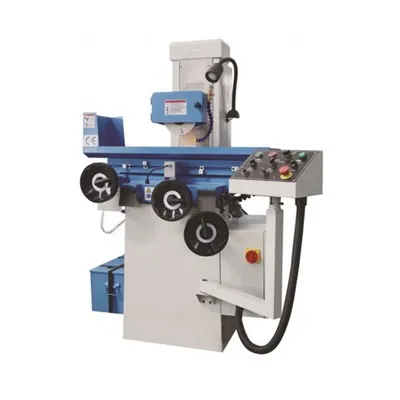
Hey there! As a supplier of CNC centerless grinders, I often get asked about the feeding system of these machines. So, let’s dive right into it and break down what the feeding system of a CNC centerless grinder is all about. CNC Centerless Grinder
Understanding the Basics of a CNC Centerless Grinder
First off, a CNC centerless grinder is a super cool piece of machinery. It’s used to grind cylindrical parts without having to center them. This makes it really efficient for mass – producing parts with high precision. The feeding system is a crucial part of this machine as it determines how the workpiece moves through the grinding process.
Types of Feeding Systems
There are basically two main types of feeding systems in a CNC centerless grinder: through – feed and in – feed.
Through – Feed System
The through – feed system is like a conveyor belt for workpieces. In this setup, the workpiece is fed continuously through the grinding area. Picture a long line of cylindrical parts being pushed through the grinder one after another. The feed rate is set by the operator, and it depends on a bunch of factors like the material of the workpiece, the grinding wheel’s speed, and the desired finish.
One of the big advantages of the through – feed system is its high productivity. You can keep churning out parts non – stop, which is great for large – scale production. For example, if you’re making small pins or shafts in large quantities, the through – feed system is the way to go.
However, it has its limitations. It’s mainly suitable for workpieces with a constant cross – section. If the part has a complex shape or a varying diameter, the through – feed system might not be the best option.
In – Feed System
The in – feed system is a bit different. Instead of continuously feeding the workpiece through, it’s used for parts that need more precise grinding. The workpiece is placed in a specific position, and then the grinding wheel moves towards it to perform the grinding operation.
This system is great for workpieces with irregular shapes or parts that require a high level of accuracy. For instance, if you’re grinding a camshaft or a part with a tapered section, the in – feed system allows you to control the grinding process more precisely.
But, it’s not as fast as the through – feed system. Since each part has to be positioned and ground individually, the production rate is lower. It’s more suitable for smaller batches or parts that demand high – quality finishes.
Components of the Feeding System
The feeding system of a CNC centerless grinder consists of several key components.
Guide Rails
Guide rails are like the roads for the workpiece. They ensure that the workpiece moves in a straight line through the grinding area. These rails are usually made of high – quality materials to withstand the forces involved in the grinding process. They need to be very precise to ensure that the workpiece is fed accurately.
Feed Rollers
Feed rollers are responsible for actually moving the workpiece. They grip the workpiece and push it through the grinder at the set feed rate. The design of the feed rollers is important. They need to have the right amount of friction to grip the workpiece without damaging it. Some feed rollers are adjustable, which allows the operator to change the feed rate according to the requirements of the job.
Control System
The control system is the brain of the feeding system. It’s what allows the operator to set the feed rate, the direction of the feed, and other parameters. With a CNC (Computer Numerical Control) system, the operator can program the grinder to perform complex feeding operations. This not only increases the precision of the grinding process but also reduces the chances of human error.
Factors Affecting the Feeding System
There are several factors that can affect the performance of the feeding system.
Workpiece Material
Different materials have different properties. For example, a soft material like aluminum might require a different feed rate compared to a hard material like steel. The feeding system needs to be adjusted accordingly to ensure that the grinding process is efficient and the finish is of high quality.
Grinding Wheel Characteristics
The type of grinding wheel used also plays a role. A wheel with a coarse grit might require a different feed rate than a wheel with a fine grit. The speed of the grinding wheel and its diameter can also affect the feeding system. If the wheel is spinning too fast or too slow, it can cause issues with the feed rate and the quality of the grind.
Machine Setup
Proper machine setup is crucial for the feeding system to work effectively. The alignment of the guide rails, the adjustment of the feed rollers, and the calibration of the control system all need to be done correctly. Even a small misalignment can lead to poor grinding results and increased wear and tear on the machine.
Maintenance of the Feeding System
Just like any other part of the CNC centerless grinder, the feeding system needs regular maintenance.
Cleaning
Regular cleaning of the guide rails and feed rollers is essential. Dust and debris can accumulate over time, which can affect the movement of the workpiece and the accuracy of the feed. Using a clean cloth and a suitable cleaning agent, the operator should clean these components on a regular basis.
Lubrication
Lubrication is also important. The feed rollers and other moving parts need to be lubricated to reduce friction and wear. The type of lubricant used depends on the specific requirements of the machine. It’s important to follow the manufacturer’s recommendations for lubrication.
Inspection
Regular inspections of the feeding system are necessary to detect any signs of wear or damage. This includes checking the condition of the guide rails, the feed rollers, and the control system. If any parts are worn out or damaged, they should be replaced immediately to prevent further problems.
Why Our CNC Centerless Grinders’ Feeding Systems Are Great
As a supplier, we take pride in the feeding systems of our CNC centerless grinders. Our through – feed and in – feed systems are designed with the latest technology to ensure high productivity and precision.
We use high – quality materials for the guide rails and feed rollers, which means they last longer and provide more accurate feeding. Our control systems are user – friendly, allowing operators to easily program the feed rate and other parameters.
Whether you’re looking to mass – produce simple cylindrical parts or grind complex, high – precision components, our feeding systems can meet your needs.
Conclusion
In conclusion, the feeding system of a CNC centerless grinder is a complex but essential part of the machine. Understanding the different types of feeding systems, their components, and the factors that affect them is crucial for getting the best results from your grinder.
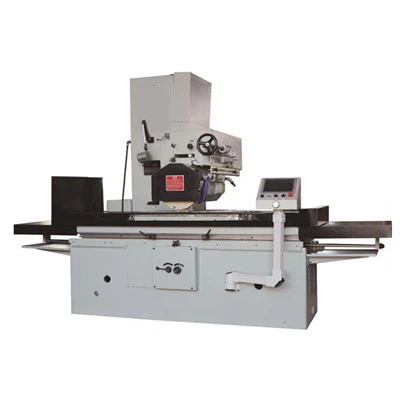
Centerless Grinding Machine If you’re in the market for a CNC centerless grinder and want to learn more about our feeding systems, don’t hesitate to reach out. We’re here to help you find the perfect solution for your grinding needs. Whether you’re a small – scale manufacturer or a large industrial operation, we can provide you with the right machine and support to keep your production running smoothly.
References
- "CNC Machining Handbook"
- "Grinding Technology: Theory and Applications of Machining with Abrasives"
Wuxi Mingxu Machinery Equipment Co., Ltd.
As one of the most professional cnc centerless grinder manufacturers and suppliers in China, we’re featured by quality products and good price. Please rest assured to buy the best cnc centerless grinder for sale here from our factory. Also, custom service is available.
Address: No. 5-5 Jinke Wealth Plaza, Changjiang North Road, Xinwu District, Wuxi City, Jiangsu Province
E-mail: yingyingmxjd@163.com
WebSite: https://www.mingxu-china.com/
