Hey there! I’m a supplier of cryogenic ball valves, and today I wanna talk about the energy – saving features of these valves. Cryogenic ball valves are super important in industries like liquefied natural gas (LNG), chemical processing, and food freezing. They’re designed to work in extremely cold temperatures, and they come with some really cool energy – saving features. Cryogenic Ball Valve
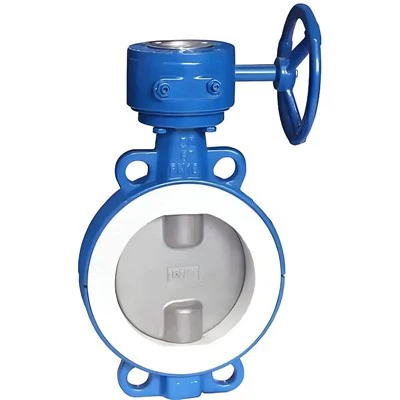
First off, let’s talk about the low – torque operation. Cryogenic ball valves are engineered to have a low – torque design. This means that less force is needed to open and close the valve. When you use less force, you’re using less energy. In a large industrial setting, where valves are opened and closed frequently, this can add up to significant energy savings. For example, in an LNG plant, there are hundreds of valves that need to be operated regularly. If each valve has a low – torque design, the overall energy consumption for valve operation can be reduced by a substantial amount.
Another energy – saving feature is the tight shut – off. Cryogenic ball valves are known for their excellent sealing performance. When the valve is closed, it creates a tight seal that prevents any leakage. Leakage in a cryogenic system can be a huge energy waster. In a cryogenic environment, maintaining the low temperature requires a lot of energy. If there’s a leak in the valve, cold gas or liquid can escape, and the system has to work harder to maintain the desired temperature. By having a tight shut – off, the valve helps to keep the cryogenic fluid inside the system, reducing the energy needed to maintain the low temperature.
The insulation of cryogenic ball valves also plays a big role in energy savings. These valves are often equipped with high – quality insulation materials. The insulation helps to reduce heat transfer between the valve and the surrounding environment. In a cryogenic system, heat transfer can cause the cryogenic fluid to warm up, which means more energy is needed to cool it back down. By reducing heat transfer, the insulation helps to keep the cryogenic fluid at the right temperature with less energy consumption.
The material selection of cryogenic ball valves is also crucial for energy savings. Valves are made from materials that have low thermal conductivity. This means that they don’t conduct heat easily. When the valve is in a cryogenic environment, materials with low thermal conductivity help to prevent heat from entering the valve and warming up the cryogenic fluid. For instance, stainless steel is a commonly used material for cryogenic ball valves because it has relatively low thermal conductivity compared to other metals.
In addition to these features, the design of the flow path in cryogenic ball valves can also contribute to energy savings. The ball inside the valve is designed to provide a smooth flow path for the cryogenic fluid. A smooth flow path reduces the resistance to the flow of the fluid. When there’s less resistance, the pump or compressor that’s moving the fluid doesn’t have to work as hard, which saves energy.
Now, let’s take a look at how these energy – saving features translate into real – world benefits. In an LNG terminal, where large amounts of natural gas are liquefied and stored, cryogenic ball valves with energy – saving features can lead to significant cost savings. The reduced energy consumption means lower electricity bills for the plant. Also, it’s better for the environment because less energy consumption means fewer greenhouse gas emissions.
In the chemical processing industry, cryogenic ball valves are used in processes that require precise temperature control. The energy – saving features of these valves help to keep the process running efficiently. By reducing energy consumption, the overall cost of production can be lowered, making the products more competitive in the market.
For food freezing applications, cryogenic ball valves play a vital role in maintaining the low temperatures needed to freeze food quickly and efficiently. The energy – saving features of these valves ensure that the freezing process is cost – effective and environmentally friendly.
If you’re in an industry that requires cryogenic ball valves, you should really consider the energy – saving features. These features not only save you money but also contribute to a more sustainable operation. Whether you’re running an LNG plant, a chemical processing facility, or a food freezing plant, the right cryogenic ball valve can make a big difference.
So, if you’re interested in learning more about our cryogenic ball valves and how they can help you save energy, don’t hesitate to reach out. We’re here to answer all your questions and help you find the best valve for your specific needs. Let’s work together to make your operation more energy – efficient and cost – effective.
Solenoid Valves References:
- "Cryogenic Engineering Handbook"
- Industry reports on cryogenic valve applications
Wuxi PYNOS Flow-tech Co., Ltd.
As one of the leading cryogenic ball valve manufacturers and suppliers in China, we offer a wide range of products with superior quality. We warmly welcome you to buy high quality cryogenic ball valve made in China here from our factory. We also accept customized orders.
Address: Sales Center: 7th Floor, No.19 Qingyuan RD, Wuxi City, Jiangsu Prov., China
E-mail: Info@pynosvalve.com
WebSite: https://www.pynosvalves.com/
