Hey there, folks! I’m a supplier of lead anode plates, and I know how crucial it is to have good adhesion between the lead anode plate and the substrate. In this blog, I’m gonna share some tips on how to improve that adhesion. Lead Anode Plate

First off, let’s understand why adhesion matters. When the lead anode plate adheres well to the substrate, it ensures a stable electrical connection. This is super important in applications like electro – plating, where a consistent current flow is needed. If the adhesion is poor, we might face issues like the plate peeling off, which can disrupt the entire process and lead to product quality problems.
Surface Preparation of the Substrate
One of the key steps to improve adhesion is proper surface preparation of the substrate. You can’t just slap the lead anode plate on any old surface and expect it to stick.
Cleaning
The substrate surface needs to be clean. Dirt, grease, and oxides can act as barriers between the lead anode plate and the substrate. We usually use solvents to clean the surface. For example, acetone is a great choice. It evaporates quickly and can effectively remove oils and greases. Just soak a clean cloth in acetone and wipe the substrate surface thoroughly. After that, let it dry completely. You can also use alkaline cleaners for more stubborn dirt. These cleaners can break down organic substances on the surface. But make sure to rinse the substrate well with water after using an alkaline cleaner to remove any residue.
Roughening
Roughening the substrate surface can also enhance adhesion. When the surface is rough, the lead anode plate has more area to grip onto. There are a few ways to do this. One common method is sandblasting. We use fine sand particles to blast the substrate surface. This creates small pits and grooves on the surface. Another option is mechanical grinding. You can use a grinding wheel or sandpaper to roughen the surface. But be careful not to over – grind, as it might damage the substrate.
Choosing the Right Alloy for the Lead Anode Plate
The type of alloy used in the lead anode plate can have a big impact on adhesion. Different alloys have different properties, and some are better at adhering to the substrate than others.
Alloy Composition
We often add small amounts of other metals to the lead to form an alloy. For example, adding a little bit of silver can improve the corrosion resistance of the lead anode plate and also enhance its adhesion. Silver can form a strong bond with the substrate, especially when the substrate is made of certain metals. Antimony is another metal that’s commonly added. It can increase the hardness of the lead anode plate and improve its mechanical properties. This can lead to better adhesion as the plate is more resistant to deformation.
Melting and Casting Process
The way we melt and cast the lead anode plate also matters. We need to make sure the alloy is melted evenly. If there are any impurities or unevenly distributed elements in the alloy, it can affect the adhesion. During the casting process, we should pour the molten alloy onto the substrate at the right temperature and speed. If the temperature is too high, the lead might react with the substrate in an unwanted way. If it’s too low, the lead might not flow properly and won’t adhere well.
Using Adhesion Promoters
Adhesion promoters are substances that can help improve the bond between the lead anode plate and the substrate.
Chemical Adhesion Promoters
There are some chemical adhesion promoters available in the market. These are usually applied to the substrate surface before placing the lead anode plate. They work by creating a chemical bond between the substrate and the lead. For example, some silane – based adhesion promoters can form a strong bond with both the metal substrate and the lead. You just need to apply a thin layer of the adhesion promoter on the substrate surface and let it dry according to the manufacturer’s instructions.
Mechanical Adhesion Promoters
Mechanical adhesion promoters can also be used. These are things like small studs or pins that are attached to the substrate. When the lead anode plate is cast or placed on the substrate, these studs or pins can penetrate the lead, creating a mechanical lock. This can significantly improve the adhesion.
Post – Treatment
After the lead anode plate is attached to the substrate, post – treatment can also help improve adhesion.
Heat Treatment
Heat treatment can be used to enhance the bond between the lead anode plate and the substrate. By heating the assembly to a certain temperature and then cooling it slowly, we can cause the lead and the substrate to expand and contract in a way that strengthens the bond. But we need to be careful with the temperature and the heating and cooling rate. If the temperature is too high or the cooling is too fast, it can cause cracks in the lead anode plate or damage the substrate.
Coating
Applying a protective coating on the lead anode plate can also improve adhesion. The coating can prevent corrosion and also provide an extra layer of protection for the bond between the lead and the substrate. There are different types of coatings available, such as epoxy coatings. These coatings can be applied using a brush or a spray gun.
Quality Control
Throughout the process of improving adhesion, quality control is essential.
Inspection
We need to inspect the adhesion between the lead anode plate and the substrate regularly. There are some non – destructive testing methods we can use, like ultrasonic testing. This method can detect any delamination or weak areas between the lead and the substrate. We can also do some simple visual inspections. If we see any signs of peeling or gaps, we need to take action immediately.
Testing
Before sending the lead anode plates to our customers, we should conduct some adhesion tests. One common test is the pull – off test. We use a special device to pull the lead anode plate away from the substrate and measure the force required to do so. If the force is within an acceptable range, it means the adhesion is good.
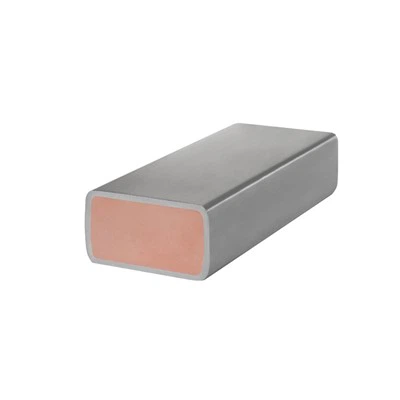
So, there you have it, folks! These are some of the ways to improve the adhesion of a lead anode plate to the substrate. If you’re in the market for high – quality lead anode plates with excellent adhesion, I’d love to talk to you. Whether you’re involved in electro – plating, battery manufacturing, or any other application that requires lead anode plates, I can provide you with the best products to meet your needs. Just reach out and let’s have a chat about your requirements.
Cladding Bar for Cathode References
- "Handbook of Lead – Based Alloys and Compounds"
- "Surface Engineering for Adhesion"
- "Electroplating Technology and Applications"
AATI Cathode Co., Ltd.
AATI Cathode Co., Ltd. is one of the leading lead anode plate manufacturers and suppliers in China. We warmly welcome you to buy high-grade lead anode plate made in China here from our factory. All customized products are with high quality and competitive price. Contact us for free sample.
Address: NO. 1, ZHENXING ROAD, BAOJI CITY, SHAANXI, CHINA
E-mail: ivy@bjaati.com
WebSite: https://www.bjcathode.com/
