Hey there! I’m a supplier of dust collectors, and today I wanna talk about whether there are dust collectors for glass manufacturing. Dust Collectors
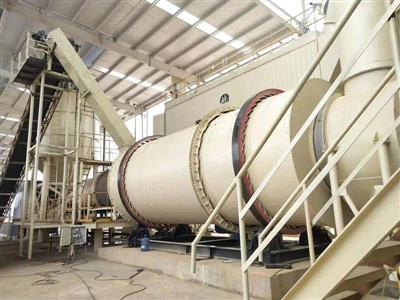
First off, let’s understand the importance of dust collection in glass manufacturing. Glass production is a complex process that involves a whole bunch of steps like melting, forming, and finishing. At each stage, dust and particulate matter are generated. For instance, when raw materials like sand, soda ash, and limestone are crushed and mixed, fine dust is released into the air. During the melting process, fumes and small particles can also escape. And when the glass is cut, ground, or polished, there’s a significant amount of glass dust flying around.
This dust isn’t just a nuisance; it poses serious health risks to workers. Inhaling glass dust can cause respiratory problems like silicosis, a lung disease that can be quite debilitating. It can also lead to eye irritation and other health issues. Besides the health aspect, the dust can also contaminate the glass products themselves, affecting their quality and appearance. So, having an effective dust collection system is crucial for both the well – being of the workers and the quality of the glass products.
Now, the big question: Are there dust collectors for glass manufacturing? The answer is a resounding yes! There are several types of dust collectors that can be used in glass manufacturing plants.
One of the most common types is the baghouse dust collector. Baghouse dust collectors work by filtering the dusty air through a series of fabric bags. As the air passes through the bags, the dust particles get trapped on the surface of the bags. Periodically, the bags are cleaned either by shaking them or by using a reverse air flow. This type of dust collector is great for handling large volumes of dust and can be very efficient in removing fine particles. In a glass manufacturing plant, it can be used to collect the dust generated during the raw material handling and the finishing processes.
Another option is the cyclone dust collector. Cyclone dust collectors use centrifugal force to separate the dust from the air. The dusty air is sent into a cyclone chamber where it spins around at high speed. The heavier dust particles are forced to the outer wall of the chamber and then fall into a collection hopper at the bottom, while the clean air exits from the top. Cyclone dust collectors are relatively simple in design and are cost – effective. They are particularly useful for removing larger dust particles, like the ones generated during the crushing of raw materials in glass manufacturing.
There are also cartridge dust collectors. These collectors use filter cartridges instead of fabric bags. Cartridge dust collectors are compact and can be very effective in removing fine dust. They are often used in situations where space is limited, like in some smaller glass manufacturing workshops. The cartridges are easy to replace and maintain, making them a popular choice for many glass manufacturers.
As a dust collector supplier, I’ve seen firsthand how different types of dust collectors can be customized to meet the specific needs of glass manufacturing plants. For example, in a large glass factory with multiple production lines, a combination of baghouse and cyclone dust collectors might be used. The cyclone collectors can first remove the larger particles, and then the baghouse collectors can handle the finer dust.
We also offer dust collectors with different filtration efficiencies. For glass manufacturing, where the dust can be very fine and potentially harmful, we can provide high – efficiency dust collectors that can remove particles as small as a few microns.
When it comes to installation, we work closely with the glass manufacturers. We send our technicians to the site to assess the layout of the plant, the sources of dust, and the airflow patterns. Based on this assessment, we design a dust collection system that fits the specific requirements of the plant. This might involve installing ductwork to collect the dust from different production areas and connecting it to the dust collector.
Maintenance is another important aspect. We provide our customers with detailed maintenance instructions and offer ongoing support. For example, we can supply replacement parts for the dust collectors, like filter bags or cartridges, and also offer training to the plant’s staff on how to properly maintain the dust collection system.
Now, if you’re in the glass manufacturing business and are looking for a reliable dust collector, I’d love to have a chat with you. We’ve got a wide range of dust collectors to choose from, and we can customize a solution that’s perfect for your plant. Whether you need a small – scale dust collector for a startup glass workshop or a large – scale system for a big glass factory, we’ve got you covered.
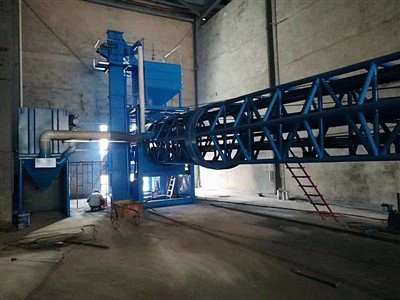
Getting in touch with us is easy. Just reach out, and we can start discussing your needs. We’ll be more than happy to provide you with a quote and answer any questions you might have. Investing in a good dust collection system is not only about complying with health and safety regulations; it’s also about improving the quality of your glass products and the well – being of your workers. So, don’t hesitate to contact us and let’s work together to create a cleaner and safer glass manufacturing environment.
Shot Blasting Machines References
- "Industrial Dust Collection Handbook"
- "Health and Safety in Glass Manufacturing"
- "Dust Collection Systems for Manufacturing Processes"
Jiangsu Haike Environmental Tech Co., Ltd.
As one of the most professional dust collectors manufacturers and suppliers in China, we’re featured by quality products and good service. Please rest assured to wholesale customized dust collectors at competitive price from our factory. Contact us for quotation.
Address: No.1, Wei’er Branch Road, Shanggang Industrial Park, Jianhu County, Yancheng City, Jiangsu Province, China
E-mail: 17388487000@163.com
WebSite: https://www.jshkhbwm.com/
