Niobium, a versatile and highly valuable metal, has found its way into a wide range of industries due to its unique properties such as high melting point, corrosion resistance, and superconductivity. As a leading supplier of niobium products, I’ve had the privilege of witnessing the diverse applications and the various shapes these products take. In this blog, I’ll explore the common shapes of niobium products and their significance in different sectors. Niobium Products
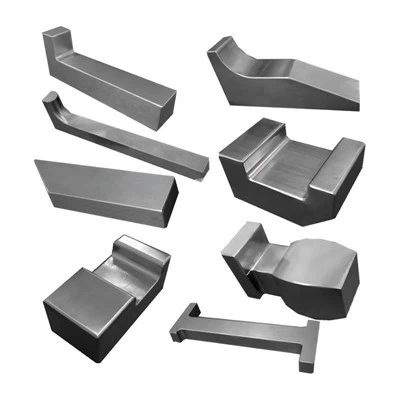
Niobium Sheets and Plates
One of the most common forms of niobium products is sheets and plates. Niobium sheets are typically thin, flat pieces of the metal, while plates are thicker. These shapes are highly sought – after because of their flexibility and ease of use in various manufacturing processes.
In the aerospace industry, niobium sheets and plates are used in the construction of aircraft components. Their high strength – to – weight ratio and excellent heat resistance make them ideal for parts that are exposed to extreme temperatures and stress. For example, they can be used in engine components, where they need to withstand high – temperature combustion gases without deforming.
In the electronics industry, niobium sheets are often used in the production of capacitors. Niobium’s ability to form a stable oxide layer makes it an excellent material for capacitor electrodes. The flat shape of the sheets allows for easy integration into electronic circuits, and their high dielectric constant helps in improving the performance of the capacitors.
The production of niobium sheets and plates involves a series of processes, including melting, rolling, and annealing. We, as a supplier, ensure that these processes are carried out with the highest level of precision to meet the strict quality requirements of our customers.
Niobium Rods and Bars
Niobium rods and bars are another common shape. Rods are long, cylindrical pieces of niobium, while bars are usually rectangular in cross – section. These shapes are widely used in applications where high strength and good conductivity are required.
In the chemical industry, niobium rods are used as electrodes in electrochemical processes. Their corrosion resistance makes them suitable for use in harsh chemical environments, such as in the production of chlorine and other chemicals. The cylindrical shape of the rods allows for efficient distribution of electrical current, ensuring the smooth operation of the electrochemical cells.
In the medical field, niobium bars are used in the manufacturing of surgical implants. Niobium is biocompatible, which means it can be safely used inside the human body without causing adverse reactions. The rectangular shape of the bars can be easily machined into various implant designs, such as bone plates and screws.
When producing niobium rods and bars, we pay close attention to the diameter, length, and surface finish. We use advanced machining techniques to ensure that the rods and bars have the desired dimensions and properties, meeting the specific needs of our customers.
Niobium Tubes
Niobium tubes are hollow cylindrical structures. They are commonly used in applications where fluid flow or heat transfer is involved.
In the energy sector, niobium tubes are used in nuclear reactors. Their high melting point and resistance to radiation make them suitable for use in the coolant systems of nuclear power plants. The hollow structure of the tubes allows for the efficient flow of coolant, helping to maintain the temperature of the reactor core.
In the automotive industry, niobium tubes can be used in exhaust systems. Their corrosion resistance and high – temperature stability make them a good choice for withstanding the harsh conditions of exhaust gases. The cylindrical shape of the tubes ensures smooth flow of the exhaust, reducing back – pressure and improving engine performance.
We produce niobium tubes through a combination of extrusion and drawing processes. This allows us to control the wall thickness and diameter of the tubes precisely, ensuring high – quality products for our customers.
Niobium Wires
Niobium wires are thin, long strands of the metal. They are commonly used in applications where high conductivity and flexibility are required.
In the superconducting industry, niobium – titanium (Nb – Ti) and niobium – tin (Nb₃Sn) wires are widely used. These wires can be cooled to extremely low temperatures to achieve superconductivity, which means they can conduct electricity with zero resistance. Superconducting niobium wires are used in magnetic resonance imaging (MRI) machines, particle accelerators, and other high – tech applications.
In the jewelry industry, niobium wires are used for making intricate designs. Niobium is hypoallergenic, which makes it a popular choice for people with sensitive skin. The flexibility of the wires allows jewelers to create delicate and unique pieces.
When manufacturing niobium wires, we use advanced wire – drawing techniques to ensure that the wires have a uniform diameter and high surface quality. We also offer different wire gauges to meet the diverse needs of our customers.
Niobium Foils
Niobium foils are extremely thin sheets of niobium, typically less than 0.1 mm in thickness. They are used in applications where a thin and flexible material is required.
In the microelectronics industry, niobium foils are used as shielding materials. Their high electrical conductivity allows them to effectively block electromagnetic interference, protecting sensitive electronic components from external signals.
In the research field, niobium foils are used in experiments where a thin and uniform layer of niobium is needed. For example, in surface science research, niobium foils can be used as substrates for studying the properties of thin films.
We produce niobium foils through a combination of rolling and annealing processes. This ensures that the foils have a smooth surface and uniform thickness, meeting the high – precision requirements of our customers.
Niobium Powder
Niobium powder is a fine – grained form of niobium. It is used in a variety of applications, including powder metallurgy, additive manufacturing, and catalysis.
In powder metallurgy, niobium powder is mixed with other metal powders and then compacted and sintered to form complex shapes. This process allows for the production of parts with high precision and excellent mechanical properties.
In additive manufacturing, also known as 3D printing, niobium powder can be used to create custom – designed parts. The powder is melted layer by layer using a laser or electron beam, building up the part according to a digital model.
In catalysis, niobium powder can be used as a catalyst or a support for other catalysts. Its unique surface properties make it effective in promoting chemical reactions.
We offer niobium powder with different particle sizes and purities to meet the specific needs of our customers. Our powder production process is carefully controlled to ensure consistent quality.
Conclusion
As a supplier of niobium products, I’m constantly amazed by the versatility of this metal and the wide range of shapes it can take. From sheets and plates to powders, each shape has its own unique properties and applications, serving different industries and meeting diverse customer needs.

If you’re in need of high – quality niobium products, whether it’s for aerospace, electronics, medical, or any other industry, we’re here to help. Our team of experts is ready to assist you in choosing the right shape and specifications for your project. We can provide customized solutions based on your requirements, ensuring that you get the best – fitting niobium products for your application.
Tungsten Alloy Don’t hesitate to reach out to us for more information or to start a procurement discussion. We look forward to working with you and contributing to the success of your projects.
References
- "Niobium: Properties, Applications, and Production", Metallurgical Society of AIME, 1985.
- "Handbook of Superconducting Materials", Oxford University Press, 2004.
- "Materials Science and Engineering: An Introduction", John Wiley & Sons, 2016.
Address: Wangjing Science and Technology Park, Guangshun North Street, Chaoyang District, Beijing
E-mail: sales@moly-tungsten.com
WebSite: https://www.moly-tungsten.com/
