Hey there! I’m a supplier of De – Dust Collectors, and today I wanna talk about the environmental regulations for De – Dust Collector emissions. It’s super important for us in the industry to understand these rules, not only to keep the environment clean but also to make sure our customers are compliant. De-Dust Collector
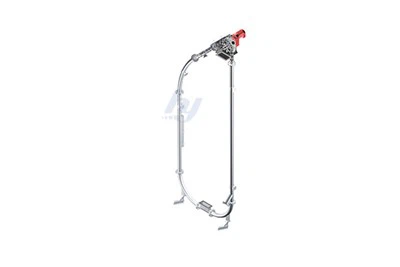
Let’s start with the basics. De – Dust Collectors are used in a bunch of industries, like manufacturing, mining, and construction. They’re designed to remove dust and particulate matter from the air, which is great for worker health and reducing pollution. But just like any other piece of equipment that affects the environment, there are rules about how much dust they can emit.
In many countries, the government sets strict limits on the amount of particulate matter that can be released into the atmosphere. These limits are usually measured in milligrams per cubic meter (mg/m³). For example, in the United States, the Environmental Protection Agency (EPA) has specific standards for different types of industries and de – dusting equipment. If a De – Dust Collector doesn’t meet these standards, the company using it can face some serious penalties, like fines or even having to shut down operations.
One of the key factors in determining these regulations is the size of the particulate matter. There are different classes of particles, and smaller particles are generally more harmful. PM10 refers to particles that are 10 micrometers or smaller, and PM2.5 are particles that are 2.5 micrometers or smaller. These tiny particles can easily get into our lungs and cause all sorts of health problems, like respiratory diseases and even cancer. So, environmental regulations often focus on limiting the emissions of these smaller particles.
Another important aspect is the location of the De – Dust Collector. If it’s in a residential area or near a sensitive ecosystem, the emissions limits might be even more strict. This is because the impact on the local environment and human health is greater. For instance, if a de – dusting system is set up in a neighborhood, the residents don’t want to be breathing in a bunch of dust all the time.
Now, let’s talk about how these regulations affect us as De – Dust Collector suppliers. We have to make sure that our products are designed to meet or exceed these environmental standards. That means using high – quality filters and advanced technology to capture as much dust as possible. We also need to provide our customers with accurate information about the performance of our De – Dust Collectors, so they can make sure they’re in compliance.
One of the ways we can help our customers is by offering regular maintenance and filter replacement services. Over time, the filters in a De – Dust Collector can get clogged, which can reduce its efficiency and lead to higher emissions. By keeping the filters clean and replacing them when necessary, we can ensure that the De – Dust Collector continues to operate within the regulatory limits.
We also need to stay up – to – date with the latest environmental regulations. These rules can change over time as new research is done on the health effects of particulate matter and as the government tries to find better ways to protect the environment. So, we have to constantly monitor these changes and make any necessary adjustments to our products.
When it comes to marketing our De – Dust Collectors, we can highlight the fact that they meet or exceed environmental regulations. This is a big selling point for many customers, especially those who are concerned about their environmental impact and want to avoid any potential legal issues. We can also offer training to our customers on how to operate and maintain their De – Dust Collectors in a way that complies with the regulations.
In addition to the government regulations, there are also some industry – specific standards and best practices. For example, the International Organization for Standardization (ISO) has developed a set of standards for air quality and pollution control. By following these standards, we can ensure that our De – Dust Collectors are of the highest quality and are environmentally friendly.
Now, I know all this talk about regulations might seem a bit overwhelming, but it’s actually a good thing. These rules are in place to protect our planet and our health. And as a De – Dust Collector supplier, I’m proud to be part of an industry that’s working towards a cleaner environment.

If you’re in the market for a De – Dust Collector, I encourage you to reach out to me. I can help you find the right product for your needs and make sure it meets all the necessary environmental regulations. Whether you’re a small business or a large industrial operation, I’ve got the expertise and the products to keep your air clean and your operations compliant. So, don’t hesitate to contact me if you have any questions or if you’re ready to start the purchasing process.
Slide Gate Valve References:
- Environmental Protection Agency (EPA) official reports on particulate matter emissions standards.
- International Organization for Standardization (ISO) standards related to air quality and pollution control.
Shanghai Hanye Engineering Technology Co., Ltd.
As one of the most experienced de-dust collector manufacturers and suppliers in China, we offer a wide range of products with superior quality. We warmly welcome you to buy customized de-dust collector at competitive price from our factory. For more information, contact us now.
Address: Building 7, No. 428 Banqiao East Road, Shanyang Town, Jinshan District, Shanghai
E-mail: Windy@hanye-tech.com
WebSite: https://www.hanyeconveying.com/
