Hey there! I’m in the business of supplying US standard plug pins, and one question that keeps popping up is, "What is the contact resistance of US standard plug pins?" Let’s dive right into it. Us Standard Plug Pin
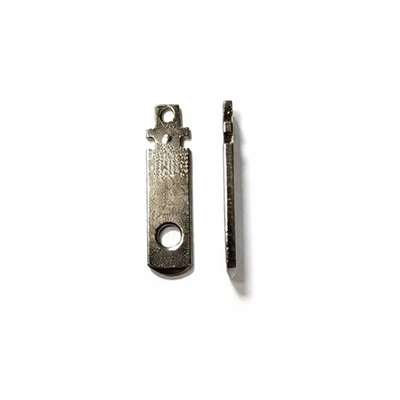
First off, contact resistance is a super important thing to understand when it comes to plug pins. It’s basically the resistance encountered at the contact interface between the plug pins and the mating socket. Think of it like a roadblock for electrical current. The lower the contact resistance, the smoother the flow of electricity, and that means less power loss, less heat generation, and a more efficient electrical connection.
Now, the contact resistance of US standard plug pins can vary based on a bunch of factors. Material is a huge one. Most US standard plug pins are made from metals like brass or copper. Brass is popular because it’s relatively inexpensive, corrosion – resistant, and has decent electrical conductivity. Copper, on the other hand, has even better conductivity, but it can be a bit more costly.
For instance, if you’re using high – quality copper plug pins, the contact resistance is likely to be lower compared to brass ones. But that doesn’t mean brass is a bad choice. In fact, many manufacturers use brass with a copper plating to get the best of both worlds. The copper plating helps to reduce the contact resistance, while the brass core provides the necessary strength and durability.
The surface finish of the plug pins also plays a big role. A smooth and clean surface will have lower contact resistance than a rough or dirty one. Over time, plug pins can get dirty or corroded, especially if they’re used in harsh environments. Dust, moisture, and oxidation can all increase the contact resistance. This is why regular maintenance and proper storage are so important.
Another factor is the contact force. When you plug in a US standard plug, the pins need to make good contact with the socket. The tighter the fit, the higher the contact force, and generally, the lower the contact resistance. If the plug is loose in the socket, it can lead to a poor electrical connection and increased resistance.
Let’s talk numbers a bit. In a well – designed and maintained US standard plug pin system, the contact resistance should be relatively low. Usually, it’s in the range of a few milliohms to tens of milliohms. For example, a high – quality plug pin might have a contact resistance of around 10 – 20 milliohms. But if the plug pin is old, dirty, or made from low – quality materials, the resistance could be much higher, maybe even in the hundreds of milliohms.
Why does this matter? Well, high contact resistance can cause a whole bunch of problems. For one, it can lead to power loss. When there’s more resistance, more energy is wasted as heat. This not only means higher electricity bills but also poses a safety risk. Excessive heat can damage the plug, the socket, and even the electrical wiring, potentially leading to a fire hazard.
In industrial settings, where large amounts of electrical power are involved, the impact of high contact resistance can be even more significant. It can affect the performance of machinery, cause malfunctions, and lead to costly downtime.
As a US standard plug pin supplier, I take pride in offering products with low contact resistance. We use the best materials available, and our manufacturing process ensures that the plug pins have a smooth surface finish. We also conduct rigorous quality control checks to make sure that each and every plug pin meets or exceeds industry standards.
Our team of experts is always on top of the latest research and developments in the field of contact resistance. We’re constantly looking for ways to improve our products, whether it’s by using new materials or refining our manufacturing techniques.
If you’re in the market for US standard plug pins, you need a supplier you can trust. The contact resistance of the plug pins you choose can have a big impact on the safety and efficiency of your electrical systems. Don’t just go for the cheapest option. Look for a supplier who understands the importance of contact resistance and is committed to providing high – quality products.
We’ve worked with a wide range of customers, from small businesses to large industrial companies. Our plug pins have been used in all sorts of applications, from household appliances to complex electrical equipment. And we’ve always received positive feedback about the performance and reliability of our products.
So, if you’re interested in learning more about our US standard plug pins or if you want to discuss your specific requirements, don’t hesitate to reach out. We’re here to help you make the right choice for your electrical needs. Whether you’re looking for a small quantity for a DIY project or a large order for an industrial application, we’ve got you covered.
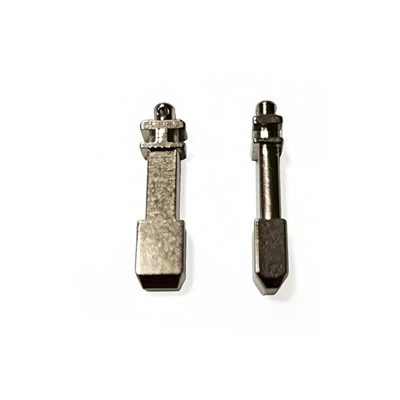
In conclusion, understanding the contact resistance of US standard plug pins is crucial for anyone who uses electrical equipment. By choosing high – quality plug pins with low contact resistance, you can ensure a safer, more efficient electrical connection. And as your trusted supplier, we’re here to provide you with the best products and support in the industry. So, let’s start a conversation and see how we can work together to meet your plug pin needs.
Kr Standard Plug Pin References:
- Electrical Engineering Handbook, various editions
- Industry reports on electrical connector performance
- Research papers on contact resistance in electrical components
Dongguan Fangrun Metal Products Co., Ltd.
We’re well-known as one of the leading us standard plug pin manufacturers in China, specialized in providing high quality customized products. Please feel free to buy discount us standard plug pin made in China here from our factory. For quotation and free sample, contact us now.
Address: New Town Industrial Zone,Xiegang Village,Xie Gang Town,Dongguan City
E-mail: 825556703@qq.com
WebSite: https://www.fangrunpin.com/
