Integrating a detector module into an existing system can be a complex yet rewarding process. As a detector module supplier, I’ve witnessed firsthand the transformative impact that a well – integrated detector can have on a wide range of systems. In this blog, I’ll guide you through the key steps and considerations for a successful integration. Detector Module

Understanding the Existing System
Before diving into the integration process, it’s crucial to have a comprehensive understanding of the existing system. This involves identifying the system’s architecture, its components, and how they interact with each other. For example, if you’re dealing with an industrial automation system, you need to know the communication protocols used, the power supply requirements, and the physical space available for the detector module.
Conduct a detailed audit of the system. Look at the technical documentation, if available. If not, you may need to work closely with the system’s operators or developers to gather information. Analyze the system’s performance metrics to understand its current capabilities and limitations. This will help you determine how the detector module can fit in and enhance the system’s functionality.
Selecting the Right Detector Module
As a detector module supplier, I know that choosing the appropriate module is the foundation of a successful integration. Consider the specific requirements of your system. For instance, if you’re integrating a detector into a security system, you might need a module that can detect motion, heat, or specific gases depending on the application.
Evaluate the detector’s sensitivity, accuracy, and response time. These factors can significantly impact the performance of the overall system. Also, look at the environmental conditions in which the detector will operate. Some modules are designed for harsh industrial environments with high temperatures and humidity, while others are more suitable for clean, controlled settings like laboratories.
Compatibility is another critical aspect. Ensure that the detector module can communicate with the existing system. This may involve checking the electrical interfaces, such as analog or digital outputs, and the communication protocols, like Modbus, Ethernet, or Wi – Fi.
Planning the Physical Installation
Once you’ve selected the right detector module, it’s time to plan the physical installation. First, identify the optimal location for the module within the existing system. This location should provide maximum coverage and minimize any interference from other components.
Consider the mounting requirements. Some detector modules can be easily mounted on a wall or a panel, while others may require special brackets or enclosures. Ensure that the installation process does not disrupt the normal operation of the existing system. You may need to schedule the installation during off – peak hours or perform it in stages.
Check the power supply for the detector module. Make sure that the existing system can provide the necessary voltage and current. If not, you may need to install additional power supplies or modify the existing ones.
Electrical and Communication Integration
Electrical and communication integration is a crucial part of the process. Start by connecting the detector module to the power supply. Follow the manufacturer’s guidelines to ensure a safe and reliable connection.
Next, establish the communication link between the detector module and the existing system. If the system uses a digital communication protocol, configure the detector module accordingly. This may involve setting up the IP address, baud rate, and other communication parameters.
Test the communication link to ensure that data is being transmitted accurately between the detector module and the system. You can use diagnostic tools or software provided by the manufacturer to verify the communication.
Software Integration
In many cases, software integration is required to fully utilize the capabilities of the detector module. If the existing system has its own software, you may need to develop a custom interface to connect the detector module. This interface should be able to receive data from the detector, process it, and display relevant information to the users.
Work with your software development team or the system’s developers to ensure that the software integration is seamless. Test the integrated software thoroughly to identify and fix any bugs or compatibility issues. Consider implementing data logging and analysis features to make the most of the data collected by the detector module.
Calibration and Testing
Calibration is an essential step to ensure the accuracy of the detector module. Follow the manufacturer’s calibration procedures to set the module to its optimal performance. This may involve adjusting the sensitivity, zeroing the measurements, and verifying the accuracy against known standards.
After calibration, conduct comprehensive testing of the integrated system. Test the detector module in different scenarios to ensure that it can detect the target signals accurately. Check the system’s response to the detector’s outputs and verify that the overall system functions as expected.
Training and Support
Once the detector module is integrated into the existing system, provide training to the system’s operators and maintenance personnel. This training should cover the operation of the detector module, its features, and how to troubleshoot common issues.
As a detector module supplier, I offer ongoing technical support to my customers. This includes providing assistance with software updates, calibration, and any other issues that may arise during the operation of the detector module.
Cost – Benefit Analysis
Before starting the integration process, it’s important to conduct a cost – benefit analysis. Consider the cost of the detector module, installation, software development, and any other associated costs. Compare these costs with the potential benefits, such as improved system performance, increased efficiency, and enhanced safety.
A well – integrated detector module can provide long – term cost savings by reducing downtime, improving product quality, and preventing costly accidents. However, it’s essential to ensure that the benefits outweigh the costs to make the integration a worthwhile investment.
Future Expansion and Upgrades
As technology evolves, you may need to expand or upgrade the detector module or the existing system. When integrating the detector module, design the system with future expansion in mind. This may involve using modular components and open – standard communication protocols.
Stay informed about the latest advancements in detector technology. As a detector module supplier, I’m constantly researching and developing new products to meet the changing needs of my customers. By planning for future expansion and upgrades, you can ensure that your system remains competitive and up – to – date.
Conclusion
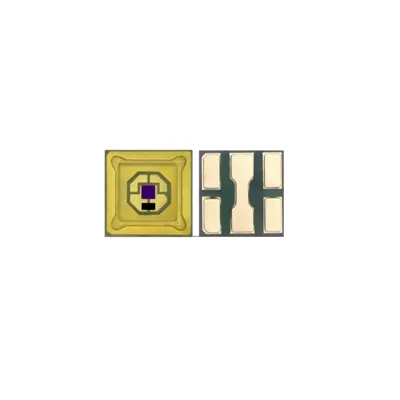
Integrating a detector module into an existing system is a multi – step process that requires careful planning, technical expertise, and attention to detail. As a detector module supplier, I’m committed to providing high – quality products and support to help you achieve a successful integration.
Automotive Health Cabin If you’re considering integrating a detector module into your existing system, I encourage you to reach out to me for more information. We can discuss your specific requirements, select the most suitable detector module, and work together to ensure a seamless integration. Let’s take your system to the next level with the right detector module.
References
- Manufacturer’s manuals and technical documentation for detector modules.
- Industry standards and guidelines related to system integration and detector technology.
UVLEDTEK Group
As one of the most professional detector module manufacturers and suppliers in China, our products have good reputation in the market. Please rest assured to buy high quality detector module at competitive price from our factory. For more information, contact us now.
Address: Huangshi Industrial Zone, Putian City, Fujian Province, China
E-mail: info@uvledtek.com
WebSite: https://www.uvledtek.com/
