Hey there! As a supplier in the electrode preparation field, I’ve gotten tons of questions about the best binders for electrode preparation. So, I thought I’d share my insights on this topic. Electrode Preparation
Why Binders Matter in Electrode Preparation
First off, let’s talk about why binders are such a big deal in electrode preparation. A binder is like the glue that holds everything together in an electrode. It plays a crucial role in maintaining the structural integrity of the electrode, ensuring good electrical conductivity, and improving the overall performance of the battery or electrochemical device.
Without a good binder, the active materials in the electrode can easily come apart, which leads to a decrease in battery performance and a shorter lifespan. So, choosing the right binder is super important for achieving high-quality electrode production.
Types of Binders
There are several types of binders commonly used in electrode preparation, each with its own set of pros and cons. Let’s take a closer look at some of the most popular ones.
Polyvinylidene Fluoride (PVDF)
PVDF is one of the most widely used binders in the industry. It’s got a few things going for it. For starters, it has excellent chemical stability, which means it can withstand the harsh chemical environment inside a battery. It also has good adhesion properties, helping to keep the active materials firmly in place.
Another plus is its high solubility in common solvents like N-methyl-2-pyrrolidone (NMP). This makes it relatively easy to prepare electrode slurries. However, PVDF does have some drawbacks. NMP is toxic and volatile, and its use requires special handling and ventilation. Also, PVDF is relatively expensive compared to some other binders.
Styrene-Butadiene Rubber (SBR)
SBR is another popular choice, especially in lithium-ion batteries. It’s an elastomeric binder, which means it can provide good mechanical flexibility to the electrode. This flexibility can help prevent electrode cracking during charge-discharge cycles, which is a common problem that can reduce battery performance.
SBR is also environmentally friendly compared to PVDF since it can be dispersed in water-based systems. This eliminates the need for toxic solvents like NMP. But the downside is that SBR has lower chemical stability compared to PVDF, and it may not be suitable for all types of electrochemical systems.
Carboxymethyl Cellulose (CMC)
CMC is a natural polymer that’s often used in combination with SBR. It acts as a thickener and a dispersant in the electrode slurry, helping to improve the dispersion of active materials and the stability of the slurry. CMC is cheap and environmentally friendly, which makes it an attractive option for large-scale electrode production.
One of the great things about CMC is its high water solubility and strong binding ability. However, it has relatively poor mechanical properties on its own, so it’s usually paired with SBR to enhance the overall performance of the electrode.
Polyacrylic Acid (PAA)
PAA is a newer player in the binder game. It has a high capacity for binding metal ions, which can improve the cycling stability of the battery. PAA also has good adhesion and can form a stable interface with the active materials.
One of the unique features of PAA is its ability to form hydrogen bonds with active materials, which can enhance the electrical conductivity of the electrode. But like any binder, PAA also has limitations. For example, its performance can be affected by the pH of the electrolyte, and it may require careful optimization to work effectively.
Factors to Consider When Choosing a Binder
Now that we’ve covered the main types of binders, let’s talk about the factors you should consider when choosing the best one for your electrode preparation.
Compatibility with Active Materials
The binder needs to be compatible with the active materials in the electrode. Different active materials have different chemical and physical properties, and the binder should be able to interact well with them to form a stable electrode structure. For example, some active materials may react with certain binders, leading to a decrease in performance or even the degradation of the electrode.
Electrochemical Stability
The binder should be electrochemically stable within the operating potential range of the battery. It should not undergo any side reactions with the electrolyte or the active materials during charge-discharge cycles. Any instability can lead to the formation of a solid electrolyte interphase (SEI) layer, which can increase the internal resistance of the battery and reduce its efficiency.
Adhesion Strength
Good adhesion strength is essential for keeping the active materials and conductive additives together on the current collector. A binder with poor adhesion can cause the electrode to delaminate, leading to decreased battery performance and a shorter lifespan.
Cost and Availability
Cost is always a significant factor in any manufacturing process. You want to choose a binder that offers good performance at a reasonable cost. Availability is also important. If a binder is difficult to source, it can disrupt your production process and increase your costs.
Our Recommendations
As a supplier in the electrode preparation field, we’ve worked with different binders and have some recommendations based on our experience.
For high-performance lithium-ion batteries, PVDF is still a great choice, especially when you need excellent chemical stability and high adhesion. However, we also understand the concerns about the toxicity of NMP. That’s why we’re actively promoting the use of water-based binders like SBR and CMC. These binders offer a more environmentally friendly alternative without sacrificing too much in terms of performance.
If you’re looking for a more cost-effective option for large-scale production, CMC in combination with SBR is a solid choice. It provides good binding ability and is easy to work with in water-based systems.
For applications where cycling stability is a top priority, PAA shows a lot of promise. It’s a relatively new binder, but we’ve seen some great results in our testing.
Conclusion
Choosing the best binder for electrode preparation is a complex decision that depends on a variety of factors. There’s no one-size-fits-all solution, and you need to consider the specific requirements of your application, the compatibility with your active materials, and your budget.
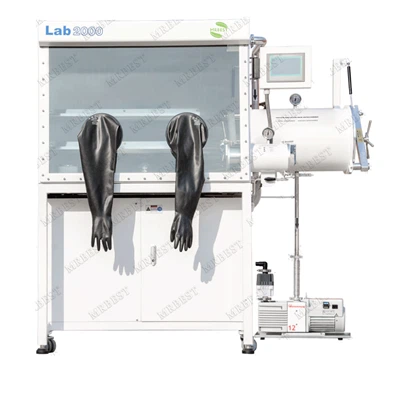
Glove Box System As a supplier, we’re here to help you make the right choice. We offer a wide range of binders, and our team of experts can provide you with personalized advice based on your needs. If you’re interested in learning more about our products or discussing your electrode preparation requirements, don’t hesitate to reach out. We’d be more than happy to have a chat and work together to find the best solutions for your business.
References
- Arora, P., & Zhang, J. (2004). Battery separators. Chemical Reviews, 104(10), 4419-4462.
- Winter, M., & Brodd, R. J. (2004). What are batteries, fuel cells, and supercapacitors?. Chemical Reviews, 104(10), 4245-4269.
- Bruce, P. G., Freunberger, S. A., Hardwick, L. J., & Tarascon, J. M. (2012). Li – O2 and Li – S batteries with high energy storage. Nature Materials, 11(1), 19-29.
Shenzhen Meirui Zhida Technology Co., Ltd.
Shenzhen Meirui Zhida Technology Co., Ltd. is one of the most professional electrode preparation manufacturers and suppliers in China, specialized in providing high quality products with low price. If you’re going to buy bulk discount electrode preparation made in China, welcome to get pricelist and quotation from our factory.
Address: 104 Building 6, Second Industrial Zone, Shanmen Community, Yanluo Street, Baoan District, Shenzhen China
E-mail: mrbest@szmrbest.com
WebSite: https://www.szmrbest.com/
