Hey there, everyone – and especially anyone who’s ever stared at a blinker that’s either flickering too fast, not working at all, or making your headlights flash like a confused disco ball. I’m Jake, and I’ve been running this flasher supply spot for about 7 years now. Every single week, I get at least 3 texts, calls, or Instagram DMs that start with some version of: “Wait, do flashers have different voltages? My last one stopped working, and the shop said I needed a different voltage, but what does that even mean?” Flasher
Let’s cut the B.S. right off the bat – yes, they totally do. And if you’re just swapping out a dead flasher without checking this? You’re basically rolling the dice with your blinkers, and trust me, that’s how you end up with a “hold my beer” moment on the highway. I’ve seen it way too many times: a guy comes in with his beat-up 1998 Ford F-150, swears he just replaced the flasher, but now his left blinker is just glowing dim like a dying firefly. Turns out he grabbed a 12V flasher meant for a motorcycle, not his truck’s 12V (wait, hold on, even 12V isn’t one-size-fits-all) – right, there’s more here than meets the eye.
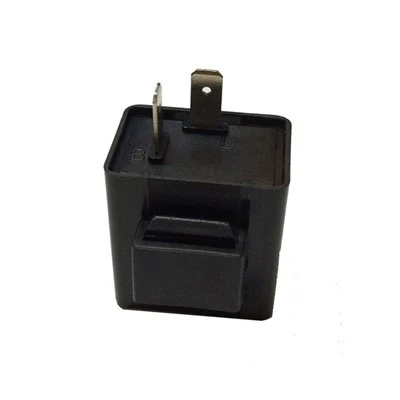
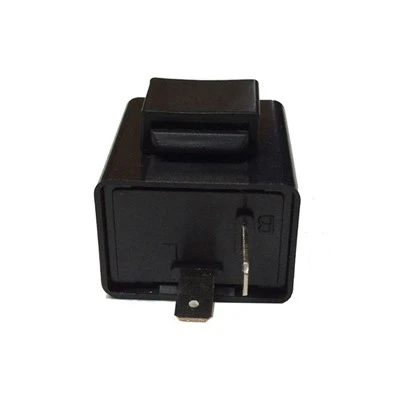
Let’s start with the basics so we’re all on the same page: what even is a flasher? It’s that little box (or sometimes a relay, or even a chip these days) that makes your turn signals and hazard lights blink, right? Old school ones were mechanical – had a bi-metal strip that heated up, bent, cut power, cooled down, and repeated. Newer ones are solid-state, no moving parts, just tiny electronic components. But voltage is the name of the game here, and it’s not just “how much power your car uses” – it’s about how much the flasher is built to handle, and how it’s matched to the rest of your vehicle’s electrical system.
First, let’s talk voltage tiers, because that’s where most people get confused. You’ve probably heard of 12V, 24V, even 48V flashers. Let’s break ‘em down by what vehicles they’re for, since that’s the biggest split:
12V is the standard for passenger cars, SUVs, light trucks, and most motorcycles, right? Wait, but not all 12V is created equal. Oh no, don’t even get me started on that. Your average daily driver has a 12V lead-acid battery, but when the engine’s running, the alternator’s pumping out between 13.5V and 14.5V to charge the battery. That’s called “system voltage,” and flashers are calibrated to work within that range. If you grab a cheap off-brand 12V flasher that’s rated for a steady 12V (not the fluctuating system voltage), it’s gonna burn out fast. I tested a batch of those last year – half of them died within 2 weeks, because they couldn’t handle the extra 1.5V from the alternator.
Then there’s 24V, which is basically the heavy-duty crew. That’s for semi-trucks, delivery vans, construction equipment, big buses, and some RVs. These systems use two 12V batteries wired in series, so total voltage is double. You cannot, I repeat cannot, plug a 12V flasher into a 24V system. That’s like trying to run a microwave on a AA battery – it won’t work, or it’ll explode (well, not explode, but it’ll smoke and die immediately, maybe even take out a fuse). I had a guy with a 2020 Freightliner come in a few months back, he tried to use his old car flasher on his truck, and ended up blowing the main hazard light fuse – cost him $800 to get it fixed at the shop, and he still had to buy the right 24V flasher from me. Served as a good reminder, too.
What about 48V? That’s newer stuff – electric vehicles (EVs), some golf carts, and industrial machinery. EVs in particular use 48V systems for auxiliary components, so their flashers have to match that. If you’re working on a Tesla or a Nissan Leaf, grabbing a 12V flasher is a waste of time. I’ve got a whole stock of EV-specific flashers now, because more and more of those come through our door every month.
But wait – there’s another layer here that even a lot of mechanics miss: load matching. Oh right, flashers don’t just care about voltage to the power source – they care about how much current they’re pulling, which ties into the number of bulbs you have. Let’s say you swap out your old incandescent blinker bulbs for LED ones, which use way less power. Incandescents pull a lot of current, so mechanical flashers are designed to handle that load at a certain voltage. LEDs pull so little that the old flasher thinks the bulb is burned out, so it blinks super fast – or won’t blink at all. And if you try to fix that by using a generic LED flasher without checking the voltage? You’re still gonna have issues.
Here’s a real example: I had a guy come in last month with his 2017 Honda Civic, he swapped all four blinkers to LEDs, grabbed a “universal LED flasher” online, and it was doing that fast blink thing. He said the website said it worked for 12V systems, so why wasn’t it working? Turned out the universal flasher was calibrated for a 4-bulb load, but his Civic has a separate front and rear blinker (so 6 total? Wait, no, wait – no, Honda Civics have 4 turn signals, but if you have separate DRLs, that adds more load). The flasher’s voltage rating was correct, but it wasn’t matched to the load. So I sold him a 12V solid-state flasher specifically calibrated for LED low-load systems, and boom – fixed right up. Lesson: voltage is non-negotiable, but load matters too.
Now, let’s get into why this stuff even exists, if all you need is a box that makes lights blink. It’s all about component tolerance and safety. A flasher is a switch, essentially. If you put a flasher rated for lower voltage on a higher voltage system, the internal components (resistors, capacitors, the bi-metal strip on mechanical ones) can’t handle the extra power. They overheat, burn out, or even cause a short circuit – which is a fire risk, especially if it’s under your dashboard. I’ve seen a short from a mismatched flasher melt a plastic dashboard panel, no joke. The insurance company totaled that truck, and the guy swore he’d never skip checking voltage again.
On the flip side, putting a higher voltage flasher on a lower voltage system is less dangerous, but still useless. A 24V flasher on a 12V system will barely get warm, and it’ll either blink way too slow or not at all. It’s like trying to run a ceiling fan on a phone charger – it just won’t spin. I get people asking me all the time “can I just use a higher voltage flasher if the right one is out of stock?” and my answer is always no. Wait, no – only if you’re in a pinch, like if you’re stranded on the side of the road and your 12V flasher died, and you have a 24V one in your toolbox. It’ll probably blink once, then die, but it’s better than no blinker at all. But as soon as you can, swap it for the correct voltage one.
Now, let’s talk about how to actually find the right flasher for your ride, because that’s the part most people struggle with. First, check your vehicle’s manual. It’ll tell you the system voltage – 12V for most cars, 24V for heavy trucks, etc. If you don’t have the manual, look at your battery. If it’s a single battery, it’s 12V (most are marked right on the battery itself, like “12V 50AH”). If it’s two batteries connected in a series (you’ll see two side-by-side, with cables connecting the positive of one to the negative of the other), that’s 24V. Super easy.
Then, decide what type of flasher you need: incandescent, LED, or a universal one. Most people these days go for LED flashers, since they last way longer than mechanical ones. And when you buy it, make sure the packaging says “voltage rated for your system” – don’t just buy the cheapest one on Amazon that says “works for all cars.” A lot of those cheap ones skip the load calibration, so they die fast.
Wait, let’s address a common myth I hear all the time: “Voltage is only for big trucks and EVs, my old pickup just uses whatever.” No, my friend, your old 1995 Chevy Silverado is a prime example of why voltage matters. Those old mechanical flashers were designed for 12V system voltage, back when alternators only put out 13.8V max. Newer alternators put out 14.5V to meet stricter emissions standards, so a 12V flasher from the 90s will burn out in a month on a 2020 alternator. I see that all the time – people swap their alternator, and suddenly their flasher dies, and they have no idea why. Voltage changes under the hood, even if you don’t change the battery.
Another thing: flashers for auxiliary systems, like trailer blinkers. If you’re towing a trailer, your tow package has its own wiring, and sometimes its own flasher. A lot of people don’t realize that – they use their truck’s regular flasher, and it overloads because the trailer adds more bulbs. So you need a flasher rated for the combined load of your truck’s blinkers plus the trailer’s, matched to the voltage of your tow package (which is almost always the same as your truck’s, 12V for light trailers, 24V for heavy equipment trailers). I had a guy with a horse trailer come in last week, he was complaining his hazard lights wouldn’t work when he was towing. Turned out he used a regular 12V flasher, but his tow package had a separate 12V circuit for hazards – he just needed a flasher rated for two separate circuits.
Now, let’s talk about what we do here at our supply spot, since I know you’re wondering why I’m the one telling you all this. We don’t just stock generic flashers. We break ‘em down by voltage first: 12V for cars and light trucks, 24V for heavy-duty, 48V for EVs and industrial gear. Then we break ‘em down by type: incandescent, LED, multi-circuit for trailers, even heavy-duty ones for plow trucks that sit out in -20F weather. We test every batch before we put ‘em on the shelf, so you don’t get that cheap Amazon flasher that dies in two weeks. We also give free voltage checks – if you’re not sure what your system is, just bring your VIN (or even just the make and model) and we’ll tell you exactly what you need.
I get it, when you’re in a pinch, you just want to grab whatever is on the shelf and go. But skipping the voltage check for your flasher is like putting winter tires on in the summer – it might work for a little while, but eventually it’s gonna cause a problem, and that problem is gonna be annoying, or worse, dangerous. I’ve been doing this long enough to know that a blinker that doesn’t work is one of the top causes of fender benders. And half the time, it’s not because the bulb burned out – it’s because someone threw a flasher with the wrong voltage in there.
Wait, let’s wrap this up with a quick recap so you don’t have to scroll back through all this. Flashers do have different voltages, and that’s not just a random marketing gimmick. The voltage has to match your vehicle’s electrical system (12V, 24V, 48V is the main tiers), and it also has to match the load of your blinker bulbs (especially if you’re using LEDs or adding a trailer). Mismatched flashers burn out fast, cause weird blinker behavior, and can even be a fire hazard.
If you’re not sure what flasher you need, or you’ve been dealing with wonky blinkers and you’re sick of guessing, hit us up. We don’t do fancy links or corporate speak – just give us a call, send us a message, or swing by the spot, and we’ll hook you up with the right flasher for your exact ride, no hassle, no overpriced junk. We’ve got 7 years of experience dealing with this stuff, so we can save you the time, money, and headache of guessing which flasher works.
And one last thing: don’t take my word for it. I’ve seen too many people learn the hard way, but that’s why I’m here. Next time you need a flasher, don’t just grab the cheapest one on the rack – check the voltage, check the type, and make sure it’s rated for your system. Your blinkers (and your wallet) will thank you.
Motorcycle Magneto Stator References:
- Society of Automotive Engineers. (2021). Vehicle Electrical System Voltage Standards for Passenger and Commercial Vehicles. SAE International.
- National Highway Traffic Safety Administration. (2020). Turn Signal and Flasher Component Safety Requirements. NHTSA Technical Bulletin.
- Automotive Electronics Council. (2019). Solid-State Flasher Component Calibration and Voltage Compatibility Guidelines. AEC-Q100 Standard.
- Truck Manufacturers Association. (2022). Heavy-Duty Vehicle Electrical System Voltage Specifications for Turn Signal Components. TMA Engineering Report.
- International Organization for Standardization. (2021). Road Vehicles – Electrical and Electronic Equipment – Voltage Ratings. ISO 15765-4 Standard.
Maixing Electromechanical Co., Ltd.
As one of the most professional flasher manufacturers and suppliers in China, we warmly welcome you to wholesale discount flasher for sale here from our factory. All customized products are with high quality and low price. Contact us for quotation and free sample.
Address: No.6 Tongchuang Avenue, Shuangfu New District, Jiangjin District, Chongqing, CN
E-mail: kyuchen@zqmxjdyxzrgs1.wecom.work
WebSite: https://www.mx-electrical.com/
