If you’ve ever ordered a custom-made piece of heavy industrial equipment—especially something as critical as a fire cabinet manufacturing line—you know that the sale doesn’t end when you sign the paperwork and the crates leave our loading dock. At our facility, I’ve spent 12 years walking clients through this exact transition: the moment they pick up a line, power it on for the first time, and realize they need a hand with something small (or something big) right when they can’t afford downtime. That’s why our after-sales services for fire cabinet manufacturing lines aren’t just an afterthought—they’re built into every part of the process, from the initial site walkthrough to quarterly check-ins long after your production team has mastered the line. Fire Cabinet Manufacturing Line
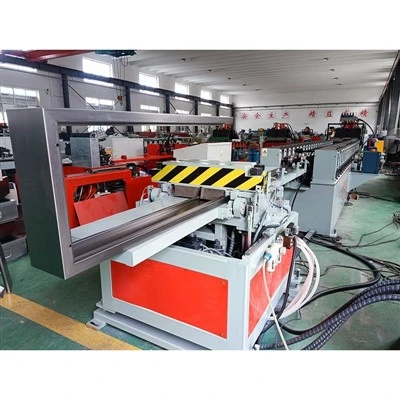
Let’s break this down into what actually matters for people running a fire cabinet shop, not the generic jargon you’ll find on a lot of supplier websites. First, there’s the on-site commissioning phase that most companies gloss over, but it’s make-or-break for a line that produces fire safety equipment. When a new line arrives at your facility, our lead technicians don’t just hook up power and walk away. They spend three to five days on-site, depending on the line’s size, to calibrate every single component. For fire cabinets, precision is non-negotiable—even a 1mm miscalibration on a panel cut can throw off the door fit or compromise the seal that keeps fire and smoke out. During commissioning, our team runs 50 full test cabinets, not just three or four, to make sure each weld is consistent, each hinge holes are drilled dead-center, and the fire-rated coating adheres evenly. I’ll never forget a client in Ohio who tried to skip this step years ago; their line’s first production run had 18 defective cabinets because a router bit was tilted just 2 degrees. We fixed it in three hours, but they lost 12 hours of production that could’ve gone to a contract with the local fire department. That’s why our commissioning isn’t a checkbox—it’s a hands-on training for your operators, too. Every technician walks two of your team members through every adjustment, so they don’t have to call us the second a roller changes speed.
Next up, 24/7 technical support tailored specifically to fire cabinet manufacturing. I know what you’re thinking: “Most suppliers say they offer 24/7 support, but when I call at 2 a.m. on a Saturday because my press brake is jammed, I get a recording.” Not us. Our support team is made up of former line operators and maintenance technicians, not just call center reps. When you reach out, you don’t get a generic script—you talk to someone who’s welded fire cabinet frames, adjusted powder coat ovens, and troubleshooted exactly the kind of problem you’re facing. We use a secure, remote access tool that lets our technicians log into your line’s control panel from anywhere, as long as you have a stable internet connection. Last quarter, a client in Texas had a sensor fail on their cutting station at 1 a.m. during a rush order for 200 fire cabinets for a new school. Our remote tech pulled up the sensor’s data in two minutes, walked their operator through swapping a 10-cent calibration resistor, and had the line back up in 22 minutes—no overnight trip, no emergency service fees that would’ve eaten into their profit. We also keep a log of every client’s line specs, so when you call, we already know your line’s model, when you did your last part replacement, and even how you typically schedule maintenance. That kind of personalization is what makes the difference between a supplier you use and a partner you trust.
Then there’s scheduled preventive maintenance, built around your production schedule, not ours. Fire cabinet lines run 10 to 12 hours a day, five days a week on average, and even the best parts wear out. We don’t send a one-size-fits-all maintenance reminder three months after installation. Instead, we work with your operations manager to build a customized calendar: weekly spot checks for high-wear parts like saw blades and weld guns, monthly deep dives into the powder coat curing oven (which is critical for fire cabinets—if the oven temperature fluctuates even 5 degrees, the coating can crack and fail a fire safety test), and quarterly full system audits. For each maintenance visit, we bring our own calibrated tools and replacement parts—branded to fit your line, no generic knockoffs. Last year, a client in Illinois had us adjust their oven’s temperature during a quarterly check; we found that the old calibration was leading to 15% of their cabinets failing a third-party fire resistance test. We fixed it during the visit, and they didn’t lose a single batch of products that month. We also track part wear rates across all our clients, so we can send replacement parts before you even realize you need them. For example, if a set of feeder rollers typically lasts 18 months, we’ll ship a new set three months before that, so you can swap them during a scheduled downtime, not mid-production.
Training for your long-term team is another core part of our after-sales support. Buying a fire cabinet manufacturing line is a big investment, and you need more than just a few operators—you need a maintenance team that can keep it running for 15 years or more. We offer two levels of training: on-site hands-on training during commissioning, which covers daily operation, basic troubleshooting, and part replacement, and an advanced technical training course at our facility, which is held four times a year. The advanced course is for your maintenance leads and production managers, and it covers things like line optimization, troubleshooting complex control system errors, and adjusting the line for custom cabinet sizes (which is a big deal for clients that take special contracts for fire departments or hospitals). We also offer refreshers for free, whenever you need them—if you hire three new operators six months after installation, we’ll send a technician back to walk them through the line, no extra charge. A lot of suppliers charge thousands of dollars for retraining, but we think that’s short-sighted. The better your team understands the line, the fewer downtime calls you’ll make, and the better your cabinets will turn out.
Warranty and spare parts support—this is the part that’s most important for anyone dealing with fire safety equipment. All our fire cabinet manufacturing lines come with a two-year full warranty, and that’s not limited to defective parts. It includes labor, on-site or remote, and even coverage for minor adjustments that aren’t covered by standard warranties. We also stock spare parts at three regional warehouses, so if you need a replacement part, it’ll arrive at your facility in 48 hours or less, most of the time. For parts that take longer to manufacture, we work with our supply chain team to prioritize your order—no waiting six weeks for a simple valve or sensor. Beyond the two-year warranty, we offer extended warranty plans that are tailored to your production volume. If you run your line 24/7, the extended warranty covers higher wear rates, and if you run it on a slower schedule, we adjust the cost accordingly. I’ve had clients who’ve had their lines for eight years, and they still call us for spare parts or a quick question about a component. That’s the kind of relationship we build, not just a two-year transaction.
One thing a lot of clients don’t realize until they’re mid-install is that fire cabinets have to meet specific national standards, like NFPA 70, UL 1037, and local fire codes. Our after-sales team includes fire safety compliance specialists, not just line technicians. If you’re expanding your product line to make custom fire cabinets for a new project, our specialists will walk you through adjusting your line to meet the required codes, or even help you document that your line’s output is compliant for third-party testing. Last year, a client in California was bidding on a contract for 500 fire cabinets for a new municipal building, and they needed to adjust their line to match California’s stricter fire safety standards. Our compliance specialist spent two days on-site, adjusted the line’s weld thickness settings, and helped them compile the documentation they needed to win the bid. That’s the kind of extra support you don’t get from a supplier that only cares about selling you the line.
At the end of the day, our after-sales services for fire cabinet manufacturing lines are built around one simple truth: your success is our success. If your line runs smoothly, you make more compliant fire cabinets, you keep your production team working, and you come back to us when you’re ready to expand or upgrade. I’ve been in this industry for 12 years, and I’ve seen too many companies buy a line from a supplier that disappears once the payment goes through, leaving them scrambling when something goes wrong with a critical piece of safety equipment. We don’t do that. Every time we ship a line, we give our personal cell phones to the client’s operations manager—no annoying middleman, no waiting for business hours. If you have a question at 3 p.m. on a Sunday, you can call me, and I’ll either help you troubleshoot or connect you to the right technician right away.
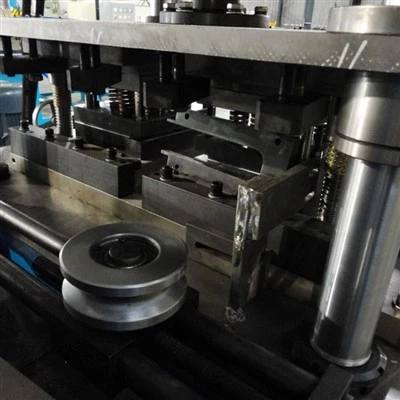
If you’re in the market for a new fire cabinet manufacturing line, or if your current line is giving you too much downtime and not enough support, we’d love to walk you through how our after-sales services can keep your production running smoothly. We can do an on-site walkthrough of your facility to see how the line will fit, answer any questions you have about compliance or maintenance, and work with you on a quote that fits your budget. Contact us to discuss your requirements and learn more about how we can support your fire cabinet manufacturing operations for years to come.
Door Panel Production Line References:
- National Fire Protection Association. NFPA 70: National Electrical Code. 2023 Edition. Quincy, MA: National Fire Protection Association, 2023.
- Underwriters Laboratories. UL 1037: Standard for Safety for Cabinets, Boxes, and Enclosures for Fire Alarm Systems. 2021 Edition. Northbrook, IL: Underwriters Laboratories Inc., 2021.
- Occupational Safety and Health Administration. Machinery and Machine Guarding. U.S. Department of Labor, 2022.
Weifang Yue Jun Machinery Co., Ltd.
With abundant experience, we are one of the most professional fire cabinet manufacturing line manufacturers in China. We warmly welcome you to buy durable fire cabinet manufacturing line made in China here from our factory. We also accept customized orders.
Address: Kuiwen District, Weifang City, Shandong Province
E-mail: adrian@yuejunmachinery.com
WebSite: https://www.yuejunmachinery.com/
