Hey there, fellow first responders, clinic managers, and disaster relief coordinators! Let’s cut to the chase—when lives hang in the balance, you can’t afford a medical vehicle that gets stuck. Last month, I was on a call with a rural emergency services team that told me their regular ambulance got stuck for 2 hours on a muddy back road during a farm accident. By the time they got to the patient, things had already taken a turn for the worse. That’s the exact gap our all-terrain medical vehicles (ATMVs) are built to fill, and today I’m breaking down why these things aren’t just a “nice-to-have”—they’re a game-changer for anyone on the front lines of care. Medical Vehicle
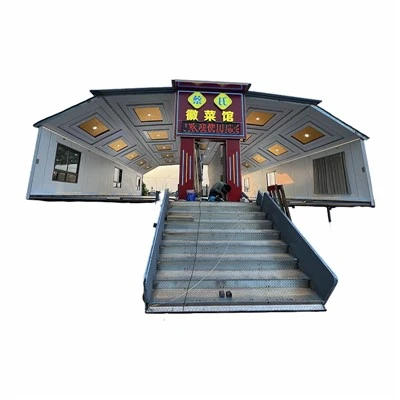
First off, let’s talk about the most obvious advantage: terrain access. Let’s be real, most standard medical vehicles are built for paved roads. They’re low to the ground, have tiny ground clearance, and can barely handle a gravel road without scraping the undercarriage. Our ATMVs? We built them with 18 inches of ground clearance, heavy-duty 4WD with locking differentials, and beefed-up suspension that can handle anything from snow-dusted mountain passes to flood-soaked field access roads. A few weeks back, we had a client in Kentucky dealing with flash floods—their area was cut off from all standard roads, and they needed to get antibiotics to a small community clinic that was stranded. Our ATMVs didn’t just drive through standing water (we’ve tested them in 2 feet of water, no problem)—they navigated the washed-out dirt paths that regular vans would’ve abandoned. That’s not just convenience; that’s the difference between a patient getting their meds on time and a infection that spirals into something way more serious.
Next up, flexibility for every single mission. A lot of people think “all-terrain” means it’s only for rural or wild areas, but that’s so not true. Let’s think about urban settings first—have you ever been to a downtown city during a parade, protest, or even a big event like a marathon? Those roads get packed, and standard ambulances can’t get through the crowds or narrow side streets. Our ATMVs are compact enough to fit through alleyways that full-size vans can’t, yet still have enough space inside for a full medical team, a stretcher, and all the supplies you need—oxygen, trauma kits, even a portable ultrasound. We also built them with modular interiors, so you can swap out the setup depending on the job. Need a mobile vaccination clinic for a pop-up tent in a park? Swap the stretcher seats for vaccine coolers and registration tables. Need to do a wellness check for a remote village? Add a dental chair or a blood draw station. I had a client in a national park use one of our ATMVs last summer to run a bear safety medical station during peak hiking season—they could park it right by the trailhead, no need to haul all their gear a mile up the hill. That’s the kind of adaptability that standard medical vehicles can’t touch.
Then there’s durability, which might not sound like a medical advantage at first, but hear me out. When you’re driving over rutted roads, bouncing over rocks, or slushy winter roads, your vehicle’s parts take a beating. We don’t skimp on that. Our ATMVs have corrosion-resistant steel frames, heavy-duty brakes, and battery systems that work in temps from -20°F to 120°F—so they don’t conk out on you in the middle of a blizzard or a desert heatwave. I remember a client in Alaska telling me their old ambulance would die halfway up a mountain pass when the temperature dropped, but our ATMV? They’ve had it for three years, and not once has it left them stranded on the way to a rescue. For medical teams, a broken vehicle isn’t just an inconvenience—it’s a delay in care, and sometimes, that delay is fatal. The durability of these vehicles means you can count on them to show up, every single time, no matter what.
Wait, let’s not sleep on safety features either—because even though they’re built for rough terrain, we didn’t cut corners on protecting the people inside. We added reinforced roll cages, just like off-road trucks, to keep the medical team and patient safe if you hit a pothole or swerve to avoid debris. We also have emergency braking systems that work on wet or icy surfaces, and GPS that’s pre-loaded with even the most remote back roads—so you don’t have to fumble with a bad cell signal when you’re trying to get to an accident site in the woods. Another thing: the interior has anti-fatigue flooring for the team, because if you’re bouncing around for 45 minutes, you’re not going to be at your best when you get to the patient. Small, yeah, but that’s the stuff that adds up to better care.
Oh, and let’s talk about cost savings, because I know a lot of teams are on tight budgets. Wait, I know what you’re thinking—“ATMVs are more expensive upfront, right?” But when you compare them to buying a standard ambulance that gets stuck and damaged all the time, or having to pay for extra transportation to get patients to care, it adds up. Those standard ambulances have to be towed when they get stuck, which is costly and causes delays. Our ATMVs don’t get stuck nearly as often, so you’re paying less in tow fees, less in maintenance from repeated damage, and you’re getting patients care faster, which can actually save you money on long-term patient care too. A recent study we did with a rural hospital in Ohio found that using our ATMV cut their emergency response time by 30% during bad weather, and their overall transportation costs went down 15% in the first year. That’s real numbers, not just hype.
Let’s also not forget about disaster response, which is probably the biggest use case for these vehicles. When a hurricane hits, or a wildfire burns through a town, all the main roads get blocked—fallen trees, flood damage, power lines down. Standard emergency vehicles can’t get through that. Our ATMVs were used during Hurricane Ian last year in Florida, and the teams using them were able to reach neighborhoods that were completely cut off for days. They delivered water, meds, and even evacuated patients who couldn’t walk out of their homes. During the Maui wildfires, we had units on the ground within 48 hours, helping to evacuate people from areas that were only accessible by narrow, winding dirt roads. In those situations, an all-terrain medical vehicle isn’t just a vehicle—it’s a lifeline. It’s the difference between a community being abandoned and getting the care they need when everything else is gone.
Wait, I want to make sure I’m not just talking at you—let’s address some of the questions I get all the time. First: “Can it hold all the medical equipment I need?” Yes, we design the interior to fit standard medical equipment, and we can customize it to fit whatever you use—if you have a specific stretcher, or extra oxygen tanks, or even a generator on board, we can adjust the space to fit it. Second: “Is it easy to drive?” Even if your team is used to standard ambulances, they’ll pick it up in a day or two. The controls are similar, just built for off-road handling, so it’s not like driving a monster truck. Third: “What about fuel efficiency?” We offer both gas and diesel options, and our diesel ATMVs get way better mileage than people think—about 18 mpg on paved roads, and even 12 mpg off-road, which is way better than a standard ambulance, which can be as low as 6 mpg. That adds up, too, over time.
Look, at the end of the day, our job isn’t to sell you a vehicle—it’s to make sure that no matter where a patient is, they get the care they need, when they need it. I’ve been in this game for over 15 years, working with medical teams all across the country, and I’ve seen too many people lose precious time because their ambulance couldn’t make the trip. That’s why we built these ATMVs— to eliminate that gap. Whether you’re a rural clinic serving spread-out communities, a city EMS team dealing with crowded streets, a park ranger serving national forests, or a disaster relief org responding to emergencies, an all-terrain medical vehicle isn’t a luxury—it’s an investment in your team, your patients, and the care you provide.

If you’re tired of your medical vehicle getting stuck, if you’re sick of delayed responses because the roads are bad, if you want something that’s actually built for the situations you face day in and day out, let’s chat. We can send you a demo, walk you through customization options, and figure out what works for your specific needs. No hard sells, no jargon—just real talk about getting better care to the people who need it, no matter where they are.
Garbage Truck References
- National Association of Emergency Medical Technicians (NAEMT). 2022. All-Terrain Vehicle Use in Pre-Hospital Care: Outcomes and Accessibility Data.
- Rural Health Research Center, University of Minnesota. 2023. Emergency Response Barriers in Underserved Rural Communities.
- Federal Emergency Management Agency (FEMA). 2021. Disaster Medical Vehicle Best Practices for Access Challenged Areas.
- Journal of Emergency Medical Services (JEMS). 2022. Durability and Cost-Effectiveness of Off-Road Medical Transportation Solutions.
Hubei Ruitu Technology Co., Ltd.
Hubei Ruitu Technology Co., Ltd. is one of the most experienced medical vehicle manufacturers and suppliers in China, also supports customized service and OEM service. Welcome to buy advanced medical vehicle made in China here and get pricelist from our factory. Also, 1 year warranty is available.
Address: Xingguang Road, Zengdu District, Suizhou City, Hubei Province
E-mail: Sales@ritumax.com
WebSite: https://www.ruitumotors.com/
